What it is
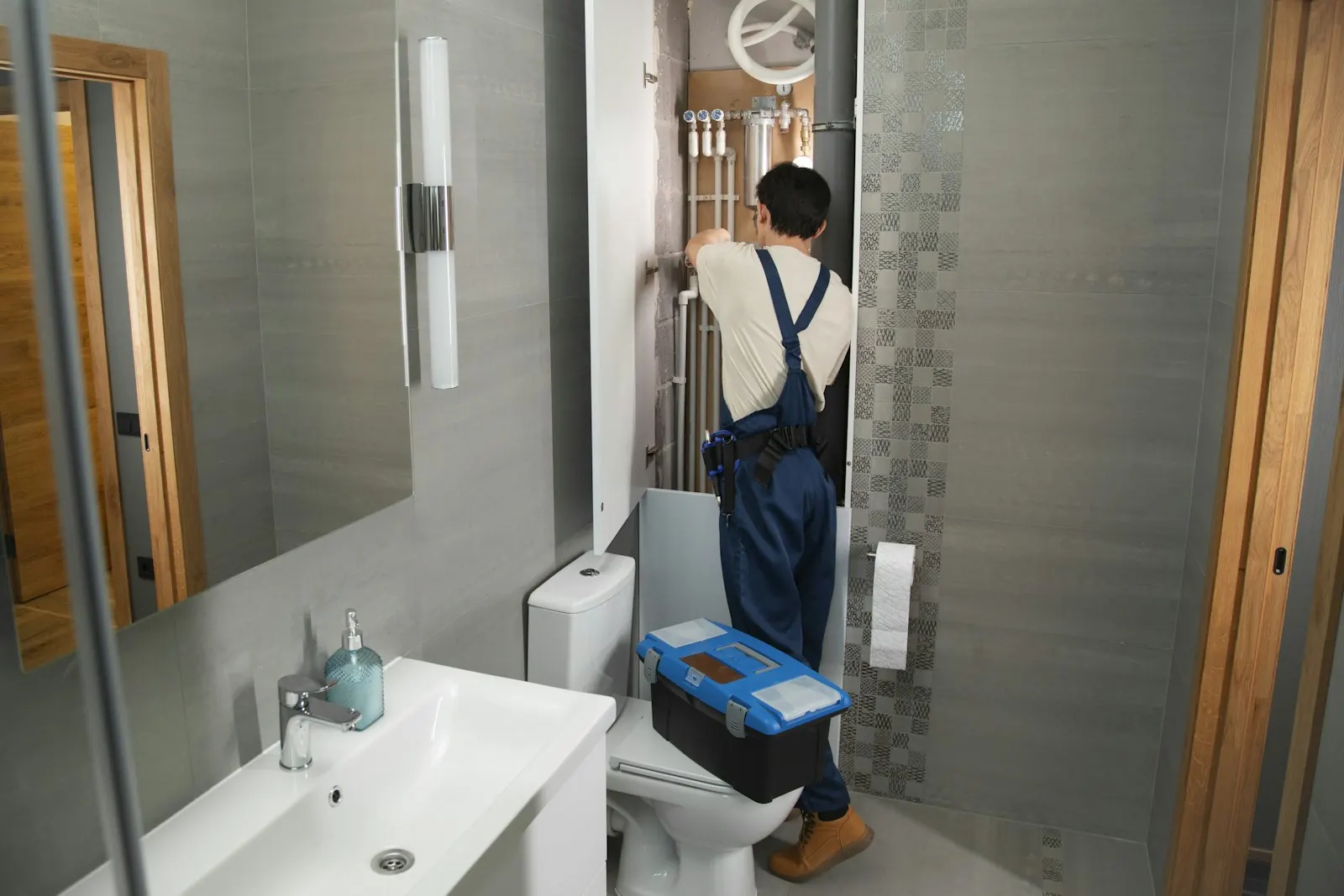
Home plumbing is two systems working together: supply lines that bring pressurized water in, and drain lines that carry wastewater out by gravity. Faucets, toilets, water heaters and shutoff valves are the parts you see and use every day. Most problems show up as a drip, a slow drain, a strange noise or water that never gets hot.
Common trouble spots include worn washers and cartridges inside faucets, flappers and fill valves in toilets, hair and grease buildup in drains, and sediment or failed parts in water heaters. Tank and tankless water heaters work differently, so a problem like a tankless water heater repair is not the same as fixing a tank unit.
Some of this work is simple and low-risk, and some is not. Anything involving gas lines, gas-fired water heaters, or water near electrical connections can be dangerous. Rules and license requirements for plumbing vary by state and city, so what a handyman may legally do in one place may need a licensed plumber in another.
How it’s traditionally been approached
Many homeowners have long handled the basics themselves. Replacing a faucet washer or cartridge, adjusting a toilet flapper, or using a plunger on a clogged drain are common self-reliant jobs, and plenty of how-to guides exist for them. Knowing where your main water shutoff is located is the first habit most experienced owners recommend.
When a problem goes beyond the basics, people have typically called a plumber, often by searching for a plumber near me and comparing availability, reviews and licensing. Plumbers are generally the go-to for hidden leaks, sewer line issues, repiping, and water heater replacement or repair.
Handyman services have filled the middle ground for small repairs, fixture swaps and general upkeep, especially when someone wants one person to handle several small jobs in a visit. Where the line sits between handyman work and licensed plumbing work depends on local rules.
How the right repair pro may help
The right repair pro may help you sort out what kind of problem you have and whether it is a quick fix or something bigger. A visit often starts with questions about symptoms, a look at the fixture or appliance, and a conversation about options before work begins. Ask what they think is causing it and whether a repair or replacement makes more sense.
Before hiring, confirm the license and insurance that your state or city requires for the work, and ask whether a permit is needed. Request a written estimate, since costs vary with the job, parts and your location. It is also fair to ask about warranties on parts and labor.
For urgent situations, a pro may help limit damage and get service restored, but no one can promise a specific outcome. If you smell gas, leave the home and call your gas utility or 911. For a burst pipe, shutting off the main water supply, if you can do so safely, is the commonly advised first move while you call for help.
The bigger picture
Plumbing trouble tends to weigh on people more than the repair itself would suggest. A steady drip, a cold shower or a backed-up drain disrupts daily routine, and worry about water damage or an unexpected bill can wear on your peace of mind. Taking a calm, step-by-step approach often helps.
Think about your comfort level, your time and your budget. Doing a simple fix yourself can feel satisfying, and calling a pro for bigger jobs is a sound choice too. Neither approach is wrong. If a repair is straining your finances, Providers.plus may be a useful place to look into broader support options.
Keep in mind
- Gas, electrical and water heater work can be dangerous; these jobs usually require a licensed pro.
- Confirm license and insurance with your state or local authority before hiring, and do not assume a listing means a business is licensed or vetted.
- Costs vary widely, so get a written estimate before work starts.
- Know where your main water shutoff is, so you can act quickly if a pipe fails.
Guides in this topic
Repair pro types
Frequently asked questions
How do I find a plumber near me?
Start by searching for local plumbers and comparing their licensing, insurance, reviews and availability. Ask for a written estimate and confirm credentials with your state or local licensing office. Directories like 2A Repair can help you find independent pros, but always verify credentials yourself.
How to fix a leaky faucet?
Many leaky faucets are caused by a worn washer, O-ring or cartridge. A common first step is turning off the water supply to the fixture, then checking which part has worn out. If you are not comfortable doing it, or the leak persists, a handyman or plumber may help.
What can I do about a clogged drain?
A plunger is the usual first tool for a simple clogged drain, and a drain snake is another common option. Avoid mixing chemical cleaners, since they can be hazardous and may harm pipes. If clogs keep returning or several drains back up, a pro can look for a deeper cause.
Why is my toilet running?
A running toilet is often caused by a worn flapper, a misadjusted float or a fill valve problem inside the tank. These parts are generally accessible and many people replace them themselves. If the problem continues, a handyman or plumber can check it.
Why is my water heater not working?
A water heater not working can come from several causes, such as a tripped breaker, a failed heating element, a pilot or ignition problem, or a faulty thermostat. Gas and electrical parts can be dangerous, so a licensed pro is usually the right call. If you smell gas, leave the home and call your gas utility or 911.
Burst pipe: what to do?
If a pipe bursts, the commonly advised first step is to shut off the main water supply if you can do so safely. Stay away from water near electrical outlets or appliances, and call a licensed plumber right away. Taking photos for insurance and contacting your insurer are also common next steps.
Educational resource. 2A Repair shares general information and connects people with independent repair pros. It is not professional advice. Talk with a qualified professional about your own situation.