What it is
A clogged drain happens when something narrows or blocks the pipe so water can't flow freely. Common culprits include hair, soap residue, grease, food scraps, paper products and mineral buildup. Sometimes the problem is an object that fell in, or a roots-or-pipe issue farther down the line.
Where the clog sits matters. A single slow sink or tub often points to a local blockage near that fixture. If several fixtures drain slowly, gurgle, or back up together, the blockage may be in a main line, which is a bigger job.
Warning signs include slow draining, standing water, gurgling sounds, odors, or water appearing in a nearby fixture when you run another one. Noticing the pattern early can help you decide whether it's a quick home fix or time to call someone.
How it’s traditionally been approached
Homeowners have long started with the basics: removing visible hair or debris from the drain opening, using a plunger, or cleaning out the sink trap. These are generally low-risk when done with gloves and a bucket for catching water.
A hand-operated drain snake (sometimes called an auger) is another familiar tool for reaching a clog further in. Some people also use store-bought drain cleaners, though these products can be harsh, can harm certain pipes or finishes, and should never be mixed. Always read the label and ventilate.
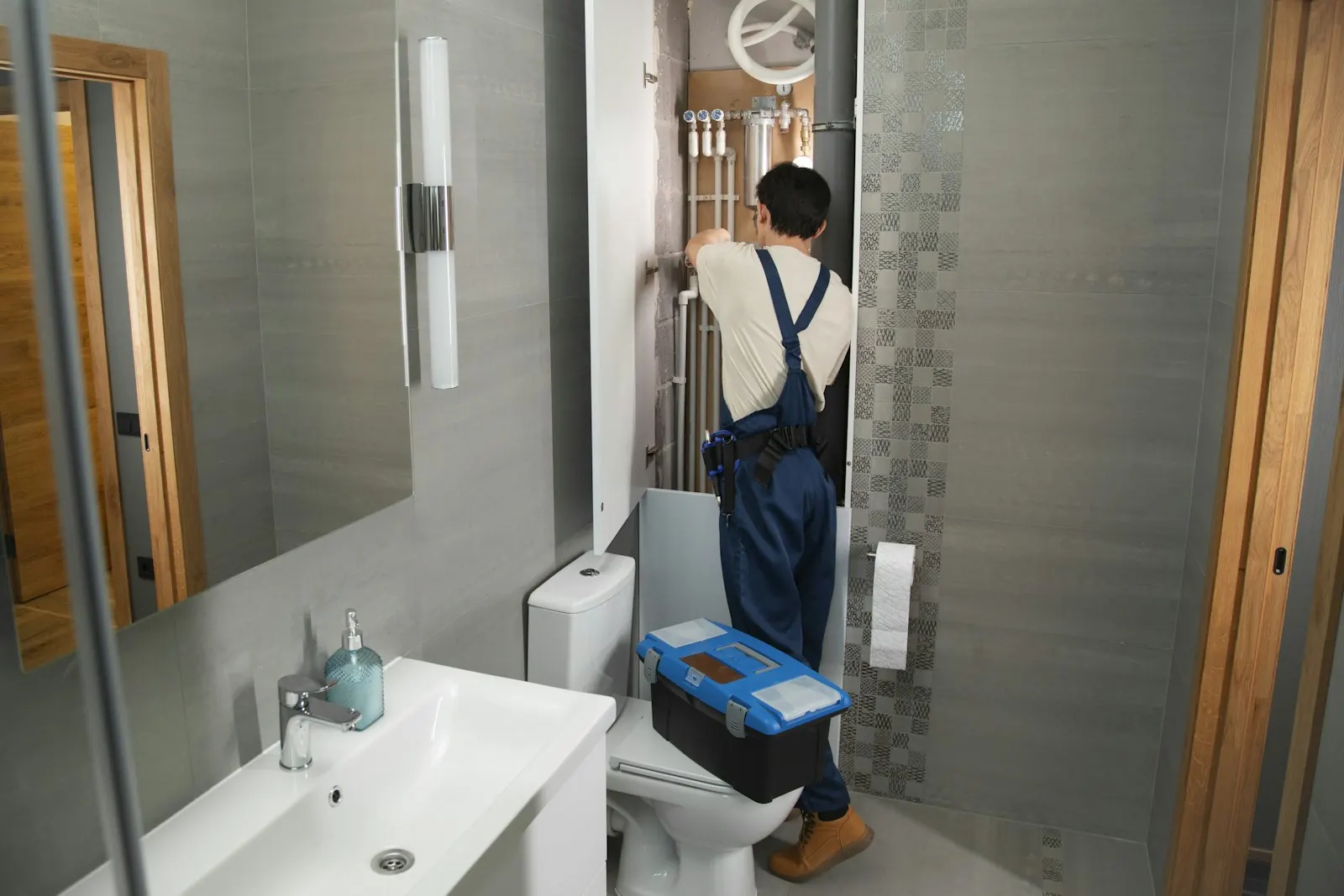
For stubborn, recurring or whole-house clogs, people have traditionally turned to a plumber or qualified handyman who has professional-grade equipment, such as powered drain machines or camera inspection tools. Rules about who may do plumbing work vary by state and locality.
How the right repair pro may help
The right repair pro may help by figuring out where the blockage is and why it formed, rather than only clearing the symptom. A visit often begins with questions about which drains are affected, how long it's been happening, and what has gone down them.
From there, a pro may inspect the fixture and trap, try appropriate clearing methods, and explain whether the issue looks local or tied to a main line. If the problem keeps returning, they may talk through options like a camera inspection or repairs to the piping. What's recommended depends on your home and the situation.
Good questions to ask: Are you licensed and insured for this work in my area? Is a permit needed? What will the estimate include, and will you provide it in writing before starting? What can I do to help prevent a repeat? Costs vary, so compare written estimates.
The bigger picture
A drain that won't clear can be a real source of stress, especially when it disrupts the kitchen, the morning routine or a house full of guests. Taking a calm, step-by-step approach, trying the simple things first and knowing when to hand it off, can protect both your time and your peace of mind.
There's also a financial side. Some people enjoy handling small fixes themselves, and others prefer to pay for certainty. Neither is wrong. If a repair bill is weighing on you, Providers.plus may offer helpful perspective on planning for household expenses.
Keep in mind
- If you smell gas, leave the home right away and call your gas utility or 911 from outside. Never try to fix gas issues yourself.
- Avoid mixing drain cleaning chemicals, and wear gloves and eye protection with any product. Keep them away from children and pets.
- Sewage backing up, multiple fixtures clogging at once, or repeated clogs are good reasons to call a licensed plumbing pro.
- Confirm any pro's license and insurance yourself, and get a written estimate. 2A Repair is an independent directory and does not guarantee any provider's credentials or work.
Not sure where to start? Answer a few gentle questions and choose who you’d like to hear from.
Frequently asked questions
What causes a clogged drain?
A clogged drain is usually caused by a buildup of hair, soap residue, grease, food waste or foreign objects in the pipe. Mineral deposits and, in some homes, tree roots in outdoor lines can also play a part. The location and type of clog often depends on which fixture is affected.
Can I fix a clogged drain myself?
Often, yes, for simple clogs near a sink, tub or shower. Many people start by removing visible debris, using a plunger, or cleaning the trap, while wearing gloves. If it doesn't clear, or several drains are slow, it may be time to call a pro.
Are chemical drain cleaners safe to use?
They can be risky if used carelessly. These products can irritate skin, eyes and lungs, may damage some pipes or finishes, and must never be mixed with other cleaners. Follow the label closely, and consider asking a pro before using them repeatedly.
When should I call a pro for a clogged drain?
Call a pro when basic steps don't work, when the clog keeps returning, or when more than one fixture backs up. Sewage odors or water coming up from floor drains are also reasons to get help. A pro can look for the underlying cause.
Can a handyman clear a clogged drain?
Some handyman services include clearing simple drain clogs, while larger or main-line problems may need a licensed plumber. Rules vary by state and locality, so ask about licensing, insurance and whether a permit is needed. Request a written estimate first.
How much does it cost to fix a clogged drain?
Costs vary depending on the location of the clog, the method needed, your area and the provider. We can't quote a number, so the best approach is to get a written estimate from one or more pros before work begins.
Educational resource. 2A Repair shares general information and connects people with independent repair pros. It is not professional advice. Talk with a qualified professional about your own situation.