What it is
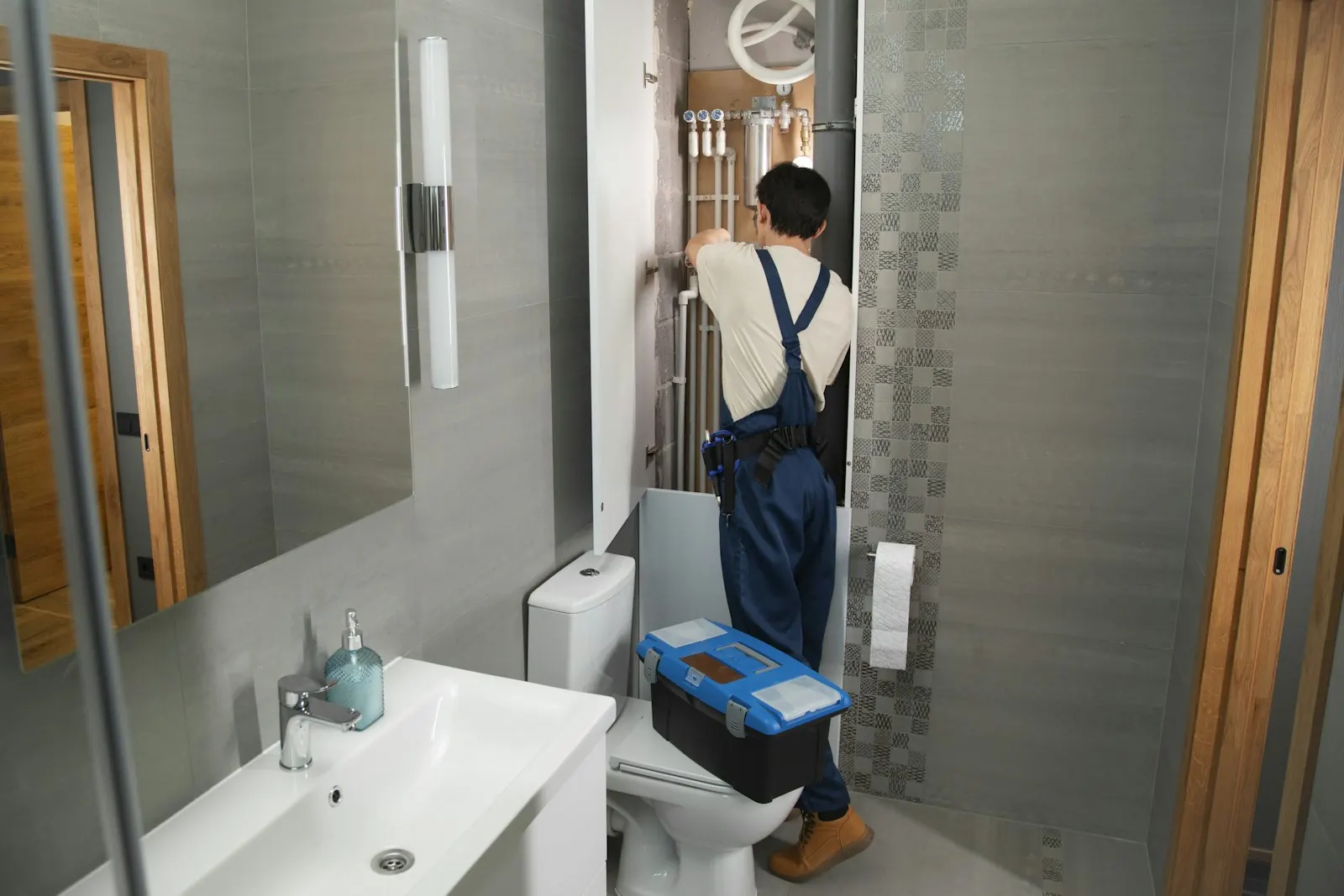
Plumbing covers the pipes, fixtures and appliances that bring clean water into your home and carry used water out. That includes faucets, sinks, toilets, showers, drains, supply lines, water heaters and the shutoff valves that control them.
When people search for a plumber near me, the problem is often a leak, a slow or blocked drain, low water pressure, a running toilet, a faucet that won't stop dripping, or a water heater that isn't giving hot water. Some are quick fixes. Others point to something hidden in the walls or under the floor.
Handyman services and licensed plumbers overlap but aren't identical. Small jobs like swapping a faucet or replacing a toilet flapper may fall within a handyman's range. Work on main lines, gas-fired water heaters, or anything needing a permit often requires a licensed plumber. Rules vary by state and city.
How it’s traditionally been approached
Many homeowners start with the basics: shutting off the water at the fixture or the main valve, tightening a connection, or using a plunger on a clogged drain. These are practical first steps that plenty of self-reliant people handle themselves.
For anything bigger, people have traditionally relied on word of mouth, neighbors, local supply shops or a trusted contractor. Today many also check online directories, reviews and photos of past work to compare options.
Some homeowners keep one go-to pro for the whole house, while others call different specialists for different problems. Either approach can work. What matters is that the person doing the job is qualified for it and the work is clearly agreed upon in writing.
How the right repair pro may help
The right plumbing pro may help you figure out what is actually going on, not just patch the symptom. A visit often starts with questions about when the problem began, then a look at the fixture, the shutoffs and nearby pipes. Many pros will explain what they see and describe the options.
Good questions to ask: Are you licensed for this type of work in my area? Do you carry insurance? Will this need a permit? Can I get a written estimate before work starts? What happens if the problem comes back? Costs vary, so a written estimate helps you compare fairly.
For water heaters, gas lines and main supply or sewer work, a licensed plumber is usually the right call because mistakes can be dangerous or costly. A reliable pro may also tell you honestly when a job is simple enough to handle yourself or small enough for a handyman.
The bigger picture
A plumbing problem can be stressful. Water damage worries, a house without hot water, or an unexpected bill can disrupt sleep and family routines. Taking a calm moment to shut off water, snap a few photos and write down what you notice can help you feel in control.
Think about the whole picture: your budget, your time, your comfort with the task and your peace of mind. Spending a little time to compare pros can protect your home and your wallet. If the financial side feels heavy, Providers.plus may be a helpful place to explore broader resources.
Keep in mind
- If you smell gas, leave the home right away and call your gas utility or 911 from outside. Do not look for the source yourself.
- Gas water heater, gas line, main sewer and permit-required work are dangerous and usually need a licensed plumber.
- Confirm license and insurance yourself, since requirements vary by location. 2A Repair is an independent directory and does not guarantee any listed business is licensed or vetted unless its profile says so.
- Ask for a written estimate and scope of work before the job starts, because costs vary widely.
Not sure where to start? Answer a few gentle questions and choose who you’d like to hear from.
Frequently asked questions
How do I find a good plumber near me?
Start by comparing a few local pros using reviews, photos of past work and referrals from people you trust. Confirm each one's license and insurance for your area, and ask for a written estimate. A directory like 2A Repair can help you browse options, but always verify credentials yourself.
Can a handyman do plumbing work?
Sometimes, for small and low-risk jobs such as replacing a faucet or a toilet part. Rules differ by state and city, and many places require a licensed plumber for larger or permit-required work. Ask any pro what they are allowed to do locally.
What should I do while waiting for a plumber near me?
Shut off the water at the fixture's valve or at the main shutoff if water is actively leaking. Move belongings away from the water and take photos of the problem. If you smell gas, leave the home and call your gas utility or 911 instead.
Is a leaking pipe an emergency?
It can be, especially if water is spraying, pooling or spreading toward electrical outlets or ceilings. Shutting off the water is a sensible first step while you arrange help. Even slow leaks are worth addressing soon because hidden moisture can cause damage over time.
How much does a plumber cost?
Costs vary based on the job, your location, parts and the pro's rates, so there is no one number to rely on. Ask for a written estimate and what it includes. Comparing a few estimates can help you understand what is reasonable.
Do I need a licensed and insured plumber?
In many areas, yes for most plumbing work, and especially for gas, water heater, main line and permit-required jobs. Licensing rules vary by location, so check with your state or local licensing office. Ask for proof of license and insurance before work begins.
Educational resource. 2A Repair shares general information and connects people with independent repair pros. It is not professional advice. Talk with a qualified professional about your own situation.