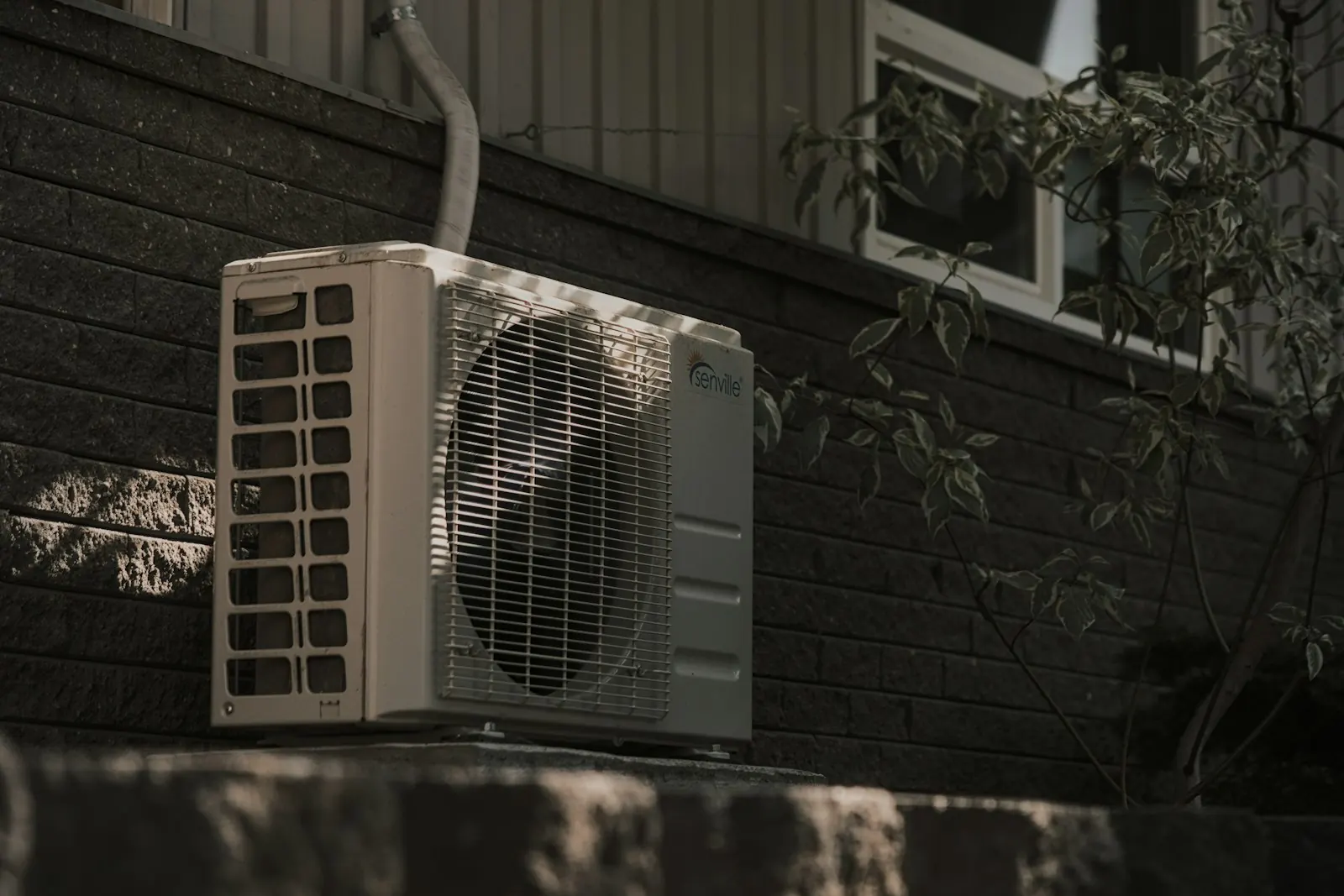
What it is
Your HVAC system (heating, ventilation and air conditioning) moves heat in or out of your home and circulates the air. Most homes have a furnace or heat pump for heat, an air conditioner or heat pump for cooling, ductwork, a thermostat and a filter.
When something goes wrong, the symptom is usually simple: the AC isn't cooling, the furnace won't fire, the air feels weak, or the system runs constantly. The cause behind it can be small, like a clogged filter, or more involved, like a failed part.
Heat pumps do both jobs. They move heat rather than making it, so heat pump repair often overlaps with AC repair. Knowing which type of system you have helps you describe the problem clearly when you call for help.
How it’s traditionally been approached
Homeowners have long started with the basics: check the thermostat, make sure the system has power, look at the air filter and see whether vents are open and unblocked. Many people also keep a simple seasonal routine, such as an HVAC maintenance checklist before summer and winter.
When those checks don't solve it, people have typically called a local heating and cooling company or an independent tradesperson. Some prefer to ask neighbors or friends for referrals, and others compare several providers before deciding.
Certain jobs have always been left to licensed pros. Gas lines and burners, electrical panels and wiring, and refrigerant handling are dangerous and often regulated. Rules and permit requirements vary by state and city, so it's wise to check what applies where you live.
How the right repair pro may help
The right repair pro may help by finding the actual cause rather than guessing. A visit generally starts with a conversation about the symptoms, followed by an inspection of the thermostat, airflow, electrical connections and major components. Some pros also offer handyman services for the smaller items around the system.
Good questions to ask include: Are you licensed and insured for this work in my area? Will you explain what you found before starting? Can I get a written estimate? Are repair and replacement both options, and what are the tradeoffs? Costs vary, so a written estimate is the best way to compare.
A pro may also suggest maintenance habits, such as how to change an air filter and how often to check it. Ask them to show you what they see, so you understand the problem and feel confident in the decision. Always confirm license and insurance yourself, since a directory listing alone doesn't guarantee either.
The bigger picture
A system that fails in the heat of summer or the cold of winter can be stressful. It affects sleep, comfort, and the sense that your home is a safe place to rest. Feeling rushed into a decision is common, so it helps to take a breath and work through the options calmly.
There's also the financial side. Planning ahead with regular maintenance and a trusted pro on call may bring some peace of mind. If a big repair or replacement is weighing on your budget, Providers.plus may offer additional resources to explore. Every approach, from careful DIY to hiring out, can be reasonable when it fits your skills and situation.
Keep in mind
- If you smell gas, leave the home right away and call your gas utility or 911 from outside. Do not look for the source yourself.
- Gas, electrical panel and refrigerant work are dangerous and usually require a licensed pro. Don't attempt them yourself.
- Simple checks are fine: confirm thermostat settings, replace a dirty filter, and make sure vents are open. Turn the system off first if you're unsure.
- Confirm license, insurance and permit requirements locally, and get a written estimate before work begins.
Guides in this topic
Repair pro types
Frequently asked questions
Why is my AC not cooling?
An AC that isn't cooling is often caused by a dirty air filter, incorrect thermostat settings, a tripped breaker, blocked vents or a dirty outdoor unit. Those are safe to look at first. If the problem continues, it may involve refrigerant, a motor or a control part, which usually need a licensed pro.
Why is my furnace not working?
A furnace that isn't working may have a thermostat issue, a clogged filter, a tripped breaker or a problem with ignition or the gas supply. You can safely check the thermostat, filter and breaker. If you smell gas, leave the home and call the gas utility or 911. Otherwise, call a licensed pro for burner or gas-related issues.
How do I find AC repair near me?
Start by searching a directory, asking neighbors for referrals and reading reviews from several providers. Then confirm each business's license and insurance yourself and ask for a written estimate. A directory listing is not a guarantee of licensing or vetting unless the profile says so.
How do I change an air filter?
Turn the system off, find the filter slot, slide out the old filter and note the airflow arrow printed on its frame. Slide in a new filter of the same size with the arrow pointing the direction the air flows, then turn the system back on. Check your system's manual for filter size and how often to replace it.
What is on an HVAC maintenance checklist?
A basic HVAC maintenance checklist usually includes checking the air filter, keeping vents and the outdoor unit clear, testing the thermostat and noting any odd sounds or smells. A pro can also inspect parts you shouldn't open yourself. Your manual and local pro can suggest a schedule that fits your system.
When should I call a pro for heat pump repair?
Call a pro for heat pump repair if the system won't heat or cool after you've checked the thermostat, filter and breaker, or if you notice ice buildup, strange noises or unusual smells. Heat pumps involve electrical and refrigerant components that typically require a licensed technician. Ask for a written estimate before work starts.
Educational resource. 2A Repair shares general information and connects people with independent repair pros. It is not professional advice. Talk with a qualified professional about your own situation.