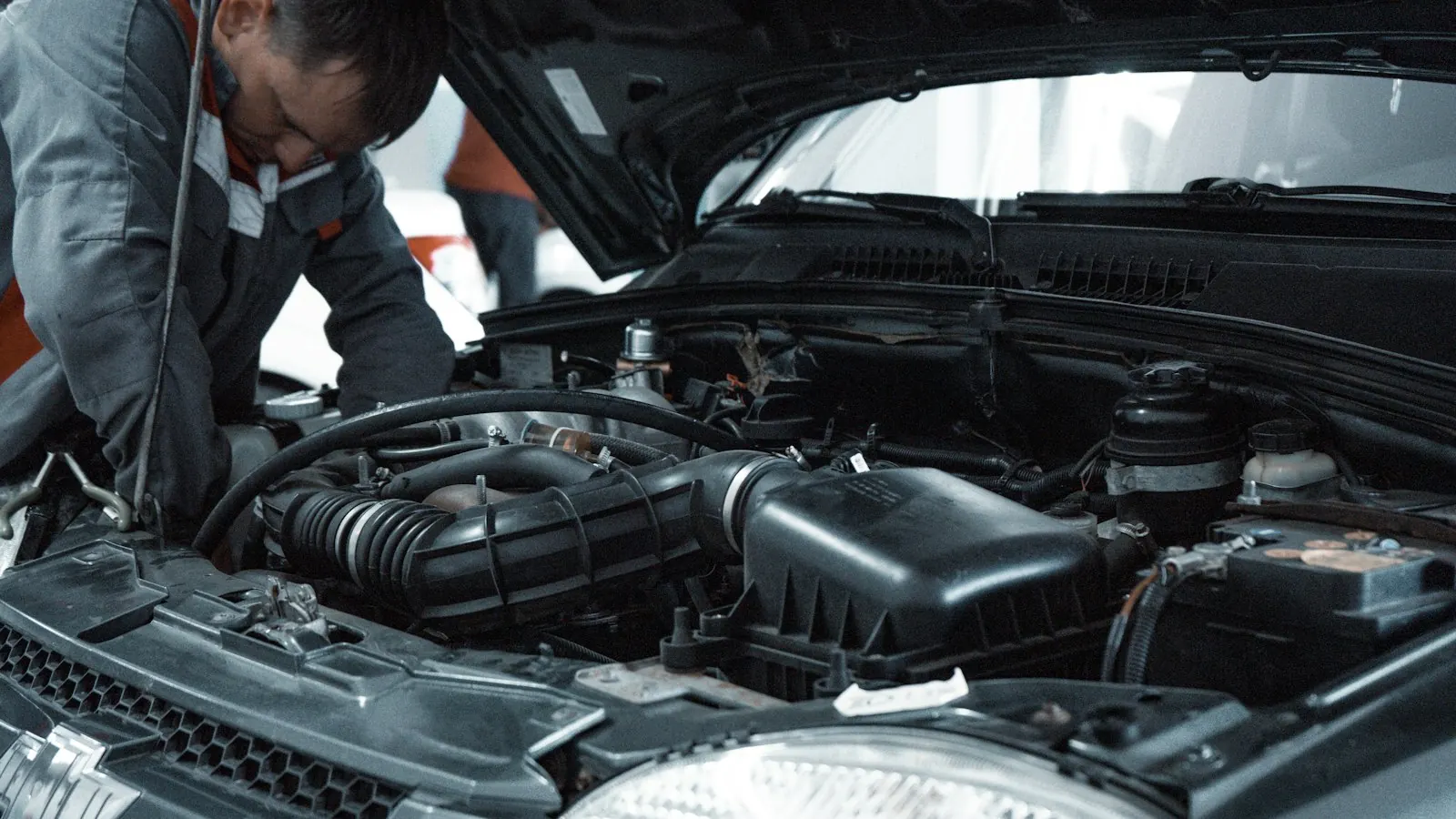
What it is
Auto and truck repair is the diagnosis, maintenance and fixing of the systems that keep a vehicle running safely: engine, brakes, transmission, steering, suspension, electrical and more. Some jobs are routine upkeep, like oil changes and filters. Others respond to a warning light, a strange noise or a change in how the vehicle feels.
Many people start with a search like "mechanic near me" or "truck repair shop" when something goes wrong. Knowing the common categories helps: warning-light diagnostics, brake repair, fluid and maintenance service, and drivetrain work such as transmission repair.
Some work is low-risk and within reach of a self-reliant owner, such as checking tire pressure, replacing a cabin air filter or swapping wiper blades. Other work, especially brakes, fuel systems, airbags and anything involving lifting a vehicle, carries real safety risk and is often best left to a trained pro.
How it’s traditionally been approached
Traditionally, drivers have relied on a dealership service department, an independent neighborhood shop, a chain, or a trusted friend or relative who knows cars. Each route has its own strengths in convenience, specialization, familiarity and scheduling.
Maintenance has usually followed the owner's manual, which lists service intervals for oil, fluids, filters and inspections. Questions like how often to change oil are best answered by your vehicle's manual and the conditions you drive in, since towing, short trips and dusty roads can change the picture.
When a warning light appears, the traditional first step is reading the diagnostic codes with a scan tool. A code points toward a system, not always a single failed part, so a good diagnosis often involves further inspection and testing.
How the right repair pro may help
The right repair pro may help by listening to your symptoms, inspecting the vehicle, explaining what they find in plain English, and separating what is urgent for safety from what can wait. A good visit usually starts with you describing when the problem happens, what you hear or feel, and any recent work done.
Useful questions to ask include: What did you find, and can you show me? Which items are safety issues and which are optional? Will you provide a written estimate before work begins? What is the warranty on parts and labor? Can I keep the old parts?
For general home-and-property help around your vehicle, such as a garage organization or a simple fixture, handyman services may assist, but vehicle mechanical work is generally a specialty. Confirm any pro's license, insurance and certifications where your state or locality requires them, since requirements vary.
The bigger picture
A vehicle problem can be stressful because it touches your schedule, your budget and your sense of safety on the road. Taking time to understand the issue, ask questions and get a written estimate can restore a feeling of control and make the decision feel less rushed.
Peace of mind often comes from a relationship with a shop you trust and a maintenance habit you can keep up with. If an unexpected repair strains your finances, it may help to talk through options calmly, and Providers.plus may be a resource for broader support and planning.
Keep in mind
- Costs vary widely by vehicle, location and shop, so always ask for a written estimate before authorizing work.
- Brake, steering and fuel-system problems are safety issues; do not keep driving if the vehicle feels unsafe, and consider having it towed.
- Confirm a shop's license, insurance and warranty terms yourself; a directory listing is not a guarantee of vetting.
- Follow your owner's manual for service intervals, and get a second opinion if a recommendation feels unclear.
Guides in this topic
Repair pro types
Frequently asked questions
How do I find a good mechanic near me?
Start by asking friends, family and coworkers who they trust, then compare a few local shops. Check reviews, ask about certifications, warranties and written estimates, and notice whether staff explain things clearly. Confirm any required licenses and insurance directly.
What does a check engine light mean?
A check engine light means the vehicle's computer has detected a problem in a monitored system, such as emissions, ignition or fuel. The cause can be minor or serious, so have the codes read soon. If the light is flashing or the vehicle runs rough, reduce driving and get it checked promptly.
How often should I change my oil?
The best answer is in your owner's manual, which lists intervals for your specific engine and oil type. Driving conditions like towing, short trips, extreme temperatures and dust can affect how often service is needed. A mechanic can help you choose a schedule that fits your use.
When do I need brake repair?
You may need brake repair if you hear squealing or grinding, feel vibration, notice a soft pedal, or see the brake warning light. Because brakes are critical to safety, have them inspected promptly instead of waiting. A pro can explain what they find and what is urgent.
How can I find an honest mechanic?
Look for shops that explain problems clearly, show you worn or damaged parts, and provide written estimates before starting work. Be wary of pressure to approve everything at once. Getting a second opinion on a major repair is a common and reasonable practice.
Can handyman services help with truck or car repair?
Handyman services generally focus on home and property tasks, so most mechanical vehicle work is better handled by an auto or truck repair shop. A handyman may help with nearby tasks like garage shelving or basic fixtures. Always confirm a pro's license, insurance and the scope of work.
Educational resource. 2A Repair shares general information and connects people with independent repair pros. It is not professional advice. Talk with a qualified professional about your own situation.