What it is
A running toilet is a toilet that keeps moving water when nobody is using it. You might hear a hiss, a trickle, or the fill valve turning on every so often by itself. It can also be silent, with water slowly slipping from the tank into the bowl.
Inside the tank, a few basic parts work together: a flapper or seal that holds water in, a fill valve that refills the tank, a float that tells the valve when to stop, and an overflow tube as a safety outlet. When one of these wears out, shifts, or gets dirty, the tank may not seal or shut off properly.
Common culprits people search for include a flapper that no longer seats well, a chain that's too tight or too loose, a float set too high, or mineral buildup on parts. Hard water and age can play a role. Sometimes the cause is less obvious, so a quick look is a good first step.
How it’s traditionally been approached
Many homeowners start with a simple look inside the tank. Lifting the lid, watching the water level, and checking whether the flapper closes fully are common first steps. A few drops of food coloring in the tank is a well-known way to see whether water is leaking into the bowl.
Replacement parts such as flappers, fill valves, and chain kits are widely sold at hardware stores, and plenty of self-reliant homeowners handle them with basic hand tools. Turning off the water supply valve at the toilet before working inside the tank is the standard precaution.
Others prefer to hire help, especially when the toilet is older, parts don't match, the shutoff valve is stuck, or the problem keeps coming back. Both approaches are common, and the right choice depends on your comfort, time, and the condition of the fixture.
How the right repair pro may help
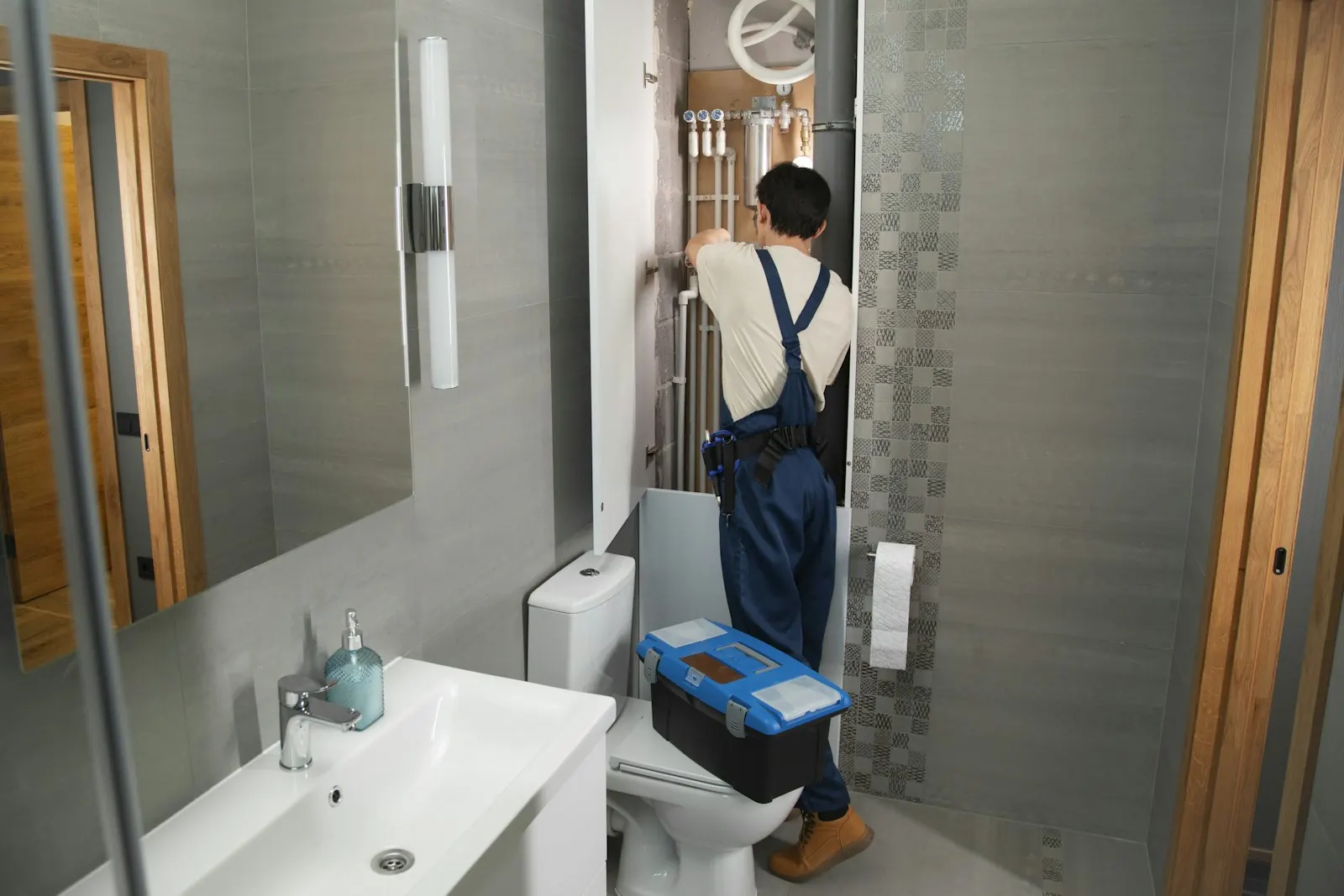
A plumbing or handyman services pro may be able to identify the cause quickly, since they've often seen many tank designs. They may check the flapper seal, fill valve, float level, and shutoff valve, and also look for related issues like a slow leak at the base or supply line.
A visit generally starts with a conversation about what you've noticed, then an inspection, and an explanation of options. Useful questions include: What do you think is causing it? Is a repair or full replacement of the tank parts more sensible here? Will you also check the shutoff valve and supply line? Costs vary, so ask for a written estimate before work begins.
Plumbing work may require a license or permit depending on your state or city, so it's reasonable to confirm license and insurance before hiring. If you ever see water on the floor, signs of a leak around the base, or a shutoff valve that won't hold, a pro is usually the safer choice.
The bigger picture
A running toilet can seem minor, but the constant sound and the worry about a growing water bill can wear on your peace of mind. Taking care of it often brings a quiet sense of relief and one less nagging item on the list.
Deciding between DIY and hiring help is a personal call about your time, energy, and confidence. Neither choice is wrong. If household costs and planning are on your mind, Providers.plus may offer additional resources for the bigger picture.
Keep in mind
- Turn off the water at the toilet's shutoff valve before working inside the tank, and stop if anything feels beyond your comfort level.
- Costs, repair needs, and timelines vary, so get a written estimate rather than relying on a general figure.
- Confirm any pro's license and insurance yourself; a directory listing is not a guarantee of either.
- 2A Repair is an independent directory and not a professional advisor, so use this page as general education only.
Not sure where to start? Answer a few gentle questions and choose who you’d like to hear from.
Frequently asked questions
What causes a running toilet?
A running toilet is most often caused by a flapper that isn't sealing, a fill valve that won't shut off, or a float set too high. Chains that are too tight or too loose and mineral buildup can also contribute. A close look inside the tank usually points to the cause.
Can I fix a running toilet myself?
Often, yes, because many causes involve low-risk parts like the flapper, chain, or float that homeowners commonly adjust or replace. Turn off the water supply at the toilet first and take your time. If parts don't match, the valve is stuck, or the problem returns, a pro may be the better route.
How do I know if my toilet is leaking into the bowl?
A common check is adding a few drops of food coloring to the tank and waiting without flushing. If color shows up in the bowl, water is likely slipping past the flapper or seal. This points to a worn seal as a likely cause.
Does a running toilet waste water?
Yes, a running toilet can waste water, sometimes quietly and over a long time. How much depends on the leak and your setup, so it's worth addressing sooner rather than later. Your water bill may offer a clue if you notice a change.
Who do I call for a running toilet?
A plumber or a handyman services pro can usually look at a running toilet, depending on your local rules and the scope of work. For anything involving pipes, shutoffs, or leaks, a licensed plumber may be required in your area. Confirm license and insurance before booking.
When should I replace the toilet instead of repairing it?
Repair is often considered first, but replacement may make sense if the toilet is cracked, leaks at the base, or has repeated problems. A pro can walk you through the options and give a written estimate. The decision depends on the condition of the fixture and your preferences.
Educational resource. 2A Repair shares general information and connects people with independent repair pros. It is not professional advice. Talk with a qualified professional about your own situation.