What it is
An HVAC maintenance checklist outlines the regular care a furnace, air conditioner, heat pump or other heating and cooling equipment tends to need. It usually includes airflow, cleanliness, controls, drainage and safety checks. Exactly what applies depends on your equipment type, its age and the manufacturer's guidance.
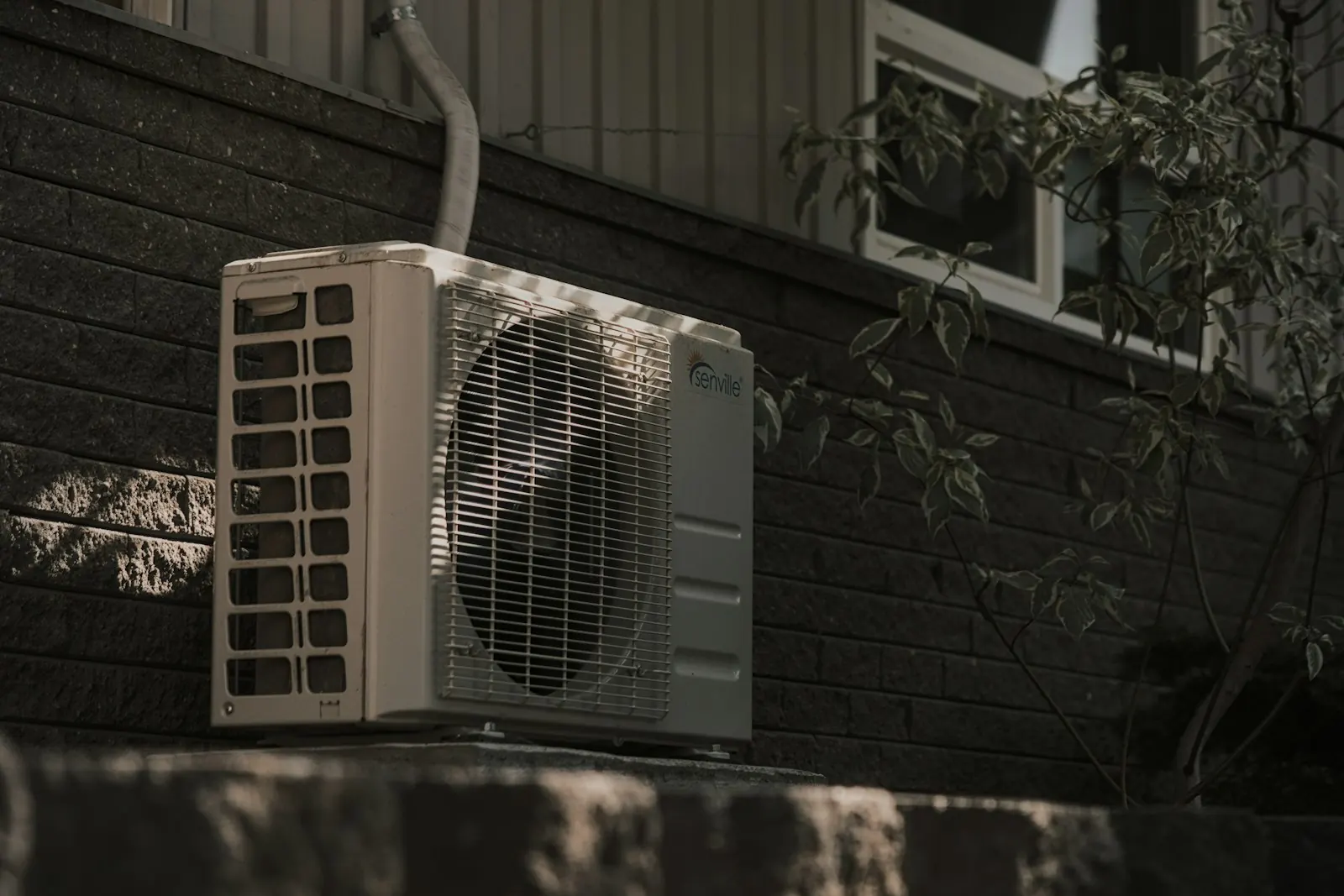
Think of it in two groups. The first is owner-level tasks: checking and replacing the air filter, keeping vents and registers clear, keeping the outdoor unit free of leaves and debris, testing the thermostat and making sure the condensate drain area isn't obviously blocked or overflowing.
The second group is pro-level work: inspecting gas connections and burners, checking electrical connections, evaluating refrigerant, cleaning coils and testing safety controls. These are dangerous without training. Gas, refrigerant and electrical panel work usually require a licensed professional, and rules vary by state and locality.
How it’s traditionally been approached
Many homeowners have traditionally followed a seasonal rhythm: a look at the system before the cooling season and another before the heating season. Some people write the tasks on a calendar or keep notes about filter changes and service visits.
Owner-level tasks are often done in-house by people who like to stay self-reliant. Filter changes, clearing debris around an outdoor unit and replacing thermostat batteries are common examples, done with the power off or per the manufacturer's instructions.
For deeper items, people have often scheduled a service visit with an HVAC company or an independent technician. Some use a maintenance plan, while others call only when something seems off. Each approach has trade-offs in convenience, budget and peace of mind.
How the right repair pro may help
The right HVAC repair pro may be able to walk through your system, check how it is operating, and point out wear or safety concerns you can't easily see. A visit generally involves looking at the equipment, testing operation and explaining what they find in plain language. What is actually done depends on the system and the technician.
Helpful questions to ask include: Are you licensed and insured for work in my area? What does your maintenance visit include and not include? Will you give me a written estimate before any repair? Can you explain what you find and which items are urgent versus optional?
If your checklist uncovers electrical concerns, like a tripping breaker or burnt smell near the unit, an electrical repair pro may also be worth consulting. Always confirm license and insurance yourself, since a directory listing alone doesn't verify credentials.
The bigger picture
A system that works when you need it can bring real peace of mind, especially in extreme weather. A simple checklist also gives you a sense of control, since you know which tasks you can handle and when to bring in help.
Maintenance is also a budgeting question. Small, regular attention may help you avoid surprise breakdowns, but every household's situation differs. If a repair decision feels stressful, Providers.plus offers additional resources, and taking time to compare written estimates is always reasonable.
Keep in mind
- If you smell gas, leave the home right away and call the gas utility or 911 from outside; do not try to find the source.
- Gas, refrigerant, electrical panel and high-voltage work are dangerous and usually require a licensed pro.
- Licensing and permit rules vary by state and locality, so confirm license and insurance before hiring anyone.
- Costs vary widely, so ask for a written estimate and follow your equipment manufacturer's guidance.
Not sure where to start? Answer a few gentle questions and choose who you’d like to hear from.
Frequently asked questions
What is on an HVAC maintenance checklist?
A typical HVAC maintenance checklist includes checking or replacing the air filter, keeping vents and the outdoor unit clear, testing the thermostat, watching the condensate drain, and scheduling a pro inspection of gas, electrical and refrigerant components. Your specific list depends on your equipment and the manufacturer's recommendations.
What can I do myself on an HVAC maintenance checklist?
Low-risk tasks like changing the air filter, clearing debris around the outdoor unit, opening blocked vents and checking thermostat settings are common homeowner tasks. Turn the system off first and follow the manufacturer's instructions. Leave gas, electrical and refrigerant work to a licensed pro.
How often should I go through an HVAC maintenance checklist?
Many people review their checklist at least with the change of seasons, and check the filter more often. The right schedule depends on your system, your household and manufacturer guidance. An HVAC pro can suggest a rhythm that fits your home.
Should I hire a pro for HVAC maintenance?
It may be worth it for tasks that involve gas, refrigerant or electrical components, since those are dangerous and often require a license. A pro can also spot issues you might miss. Ask about license, insurance and what the visit includes.
What should I do if I smell gas near my furnace?
Leave the home immediately and call the gas utility or 911 from a safe distance. Don't flip switches, use open flames or try to find the leak. Wait for qualified responders to say it is safe before returning.
Can a handyman services provider help with an HVAC maintenance checklist?
Handyman services may help with simple items like filter changes, vent access or small household tasks around the system. Work on gas, refrigerant or electrical parts typically calls for a licensed HVAC or electrical pro. Confirm the license and insurance requirements in your area before hiring.
Educational resource. 2A Repair shares general information and connects people with independent repair pros. It is not professional advice. Talk with a qualified professional about your own situation.