What it is
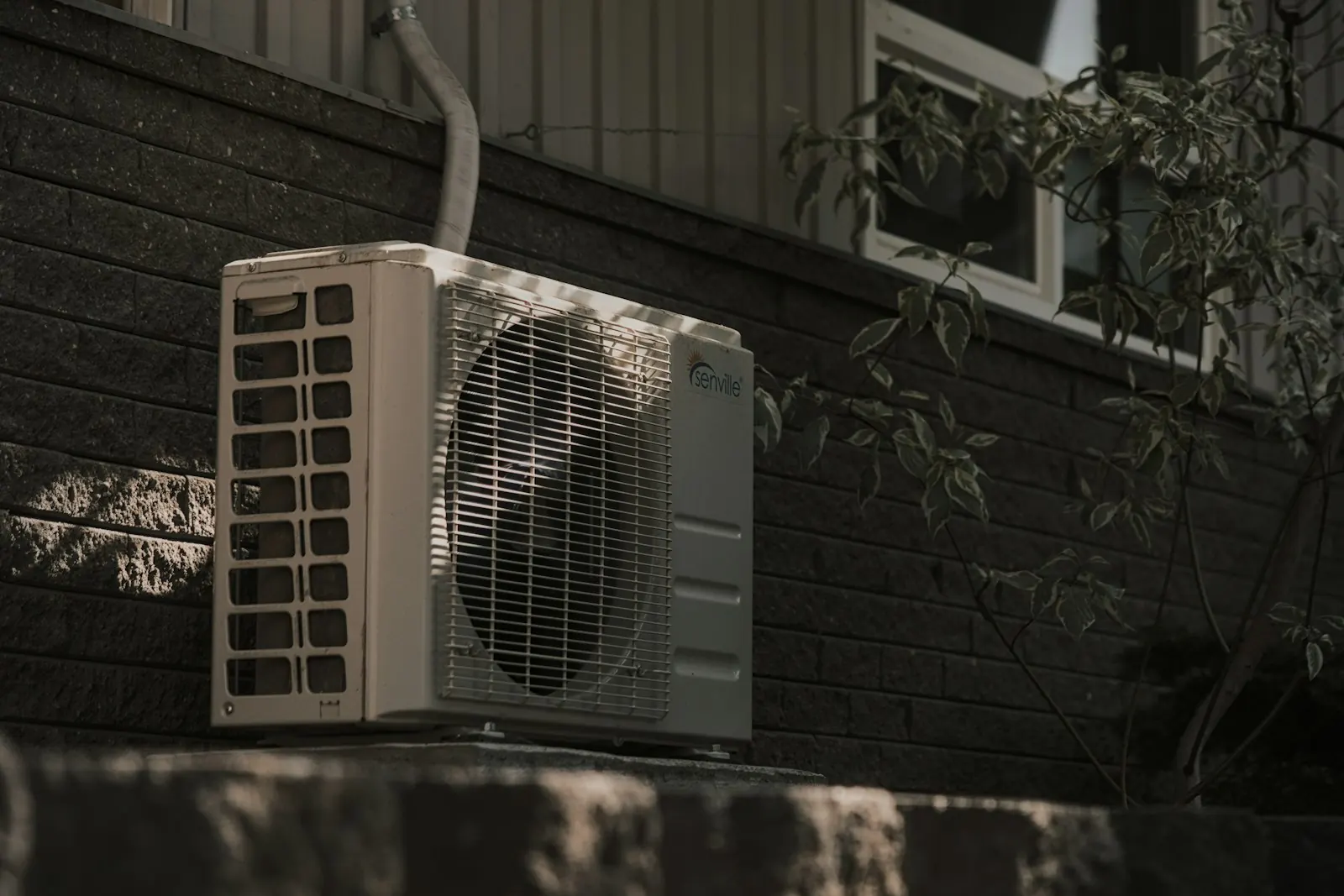
A heat pump moves heat rather than making it. In warm months it pulls heat out of your home like an air conditioner, and in cool months it brings heat in from outdoors. That is why one system can handle both jobs.
Most home systems have an outdoor unit and an indoor unit, connected by refrigerant lines, electrical wiring, and a thermostat. Heat pump repair can involve any of these parts, plus airflow, drainage, and controls.
Common reasons people look for repair include weak heating or cooling, ice on the outdoor unit, unusual sounds or smells, a system that won't start, or a thermostat that seems unresponsive. Many of these have several possible causes, so the symptom alone doesn't tell the whole story.
How it’s traditionally been approached
Many homeowners start with the simple checks: confirming the thermostat is set correctly, making sure the breaker hasn't tripped, and replacing a dirty air filter. These are low-risk and often worth a look before calling anyone.
Beyond that, repair has traditionally been handled by HVAC technicians. The work often involves electrical components and sealed refrigerant systems, which are not areas for guesswork. Refrigerant handling and electrical work generally require training, proper tools, and in many places a license.
Some people repair as needed, while others schedule routine maintenance to catch small issues early. Either approach is common, and the best fit depends on the age of the system, your budget, and how much downtime you can tolerate.
How the right repair pro may help
The right HVAC repair pro may help by narrowing down the real cause instead of just treating the symptom. A visit generally starts with questions about what you've noticed, followed by inspection of the indoor and outdoor units, airflow, controls, and electrical connections.
Good questions to ask include: Are you licensed and insured in my area? What do you think is causing the problem? Will I get a written estimate before work begins? Are the parts and labor covered by any warranty? Is this a repair worth making, or are there other options to consider?
Some issues overlap with electrical repair, such as wiring or breaker problems, so you may be referred to a second pro. A clear explanation, honest options, and a written estimate are signs of a good fit. Costs vary widely, so compare more than one opinion if you're unsure.
The bigger picture
A system that fails in extreme weather can be stressful, affecting sleep, comfort, and the whole household's routine. Knowing your options ahead of time can bring some peace of mind and help you avoid rushed decisions.
It also helps to think about the bigger financial picture, since repair, maintenance, and replacement all carry tradeoffs. Taking a little time to ask questions and get a written estimate lets you stay in control of the decision. If household budgeting feels heavy, Providers.plus may offer additional resources.
Keep in mind
- Never attempt work on refrigerant lines, electrical panels, or high-voltage components yourself; these are dangerous and usually require a licensed pro.
- If you smell gas, leave the home right away and call your gas utility or 911.
- Licensing and permit rules for HVAC and electrical work vary by state and locality, so confirm a pro's license and insurance yourself.
- 2A Repair is an independent directory, not a professional advisor, and listing does not mean a business is licensed or vetted unless its profile says so.
Not sure where to start? Answer a few gentle questions and choose who you’d like to hear from.
Frequently asked questions
What is heat pump repair?
Heat pump repair is the diagnosis and fixing of problems in a system that heats and cools your home. It can involve the outdoor unit, indoor unit, thermostat, electrical parts, airflow, or refrigerant system. A licensed HVAC pro may be able to identify which part is causing the trouble.
Why is my heat pump not heating?
There are several possible causes, including thermostat settings, a tripped breaker, a dirty filter, airflow problems, or a component failure. You can safely check the thermostat, breaker, and filter yourself. If those don't help, an HVAC pro can inspect the system.
Can I fix my heat pump myself?
Only simple, low-risk tasks are appropriate for most homeowners, such as replacing an air filter, checking thermostat settings, or clearing debris around the outdoor unit with the power off. Anything involving refrigerant, wiring, or internal parts is dangerous and usually requires a licensed pro.
How much does heat pump repair cost?
Costs vary based on the problem, the parts needed, your location, and the pro you hire. Ask for a written estimate before work begins, and consider getting a second opinion for larger repairs.
Who should I call for heat pump repair?
An HVAC repair pro is usually the right first call. If the issue seems to involve wiring, breakers, or power supply, an electrical repair pro may also be needed. Always confirm license and insurance before hiring.
Should I repair or replace my heat pump?
It depends on the problem, the system's condition, and your budget and goals. A trusted HVAC pro can explain your options and what each involves. Ask for the reasoning in writing so you can compare it with other opinions.
Educational resource. 2A Repair shares general information and connects people with independent repair pros. It is not professional advice. Talk with a qualified professional about your own situation.