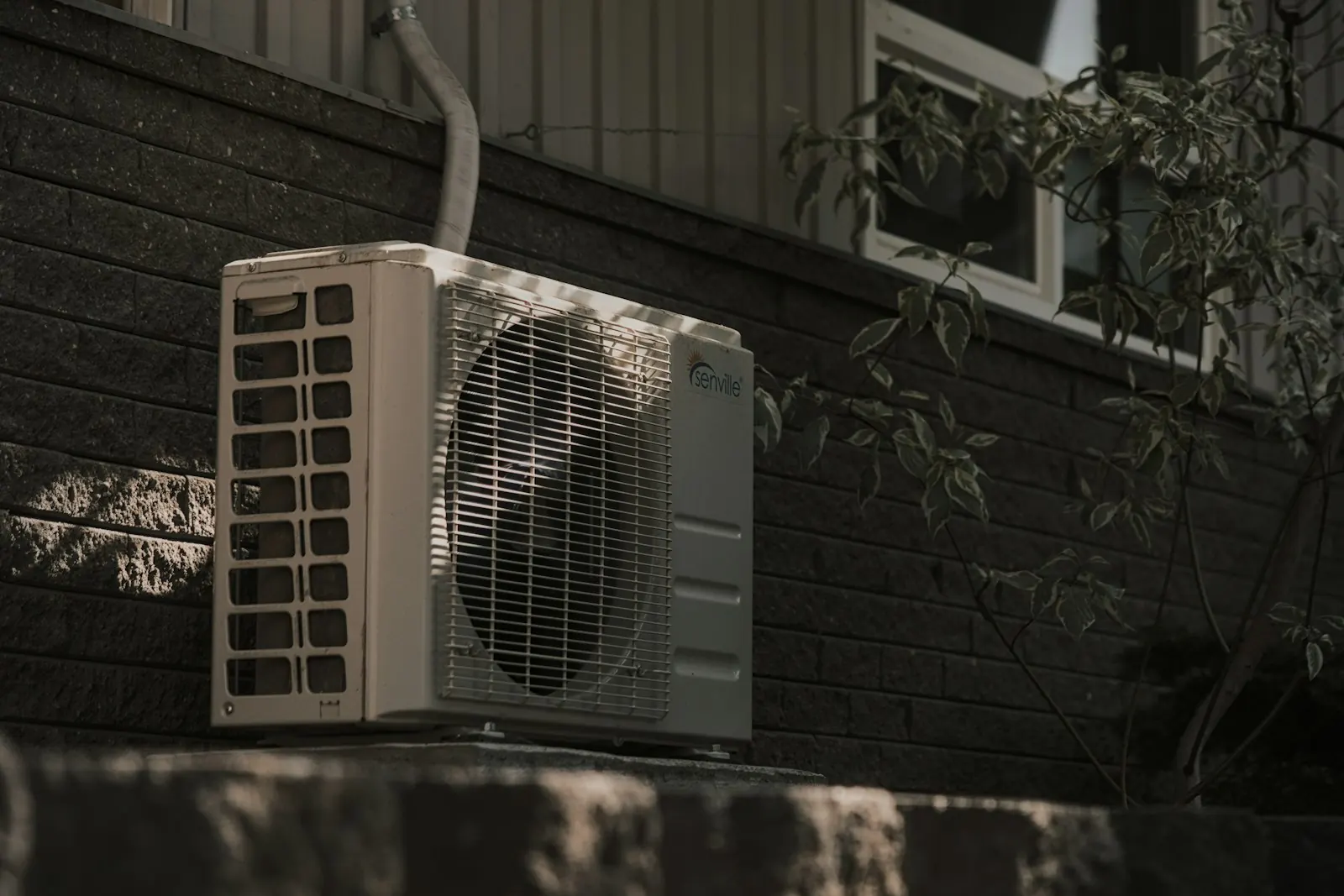
What it is
An AC that is not cooling is a system that runs, or tries to run, but doesn't bring your home down to the temperature you set. Sometimes the air coming from the vents feels warm or weak. Sometimes the system doesn't start at all.
Air conditioning moves heat out of your home rather than creating cold air. That involves airflow, a thermostat, electrical components, an indoor unit, an outdoor unit, and a sealed refrigerant system. A problem in any one of these areas can reduce cooling.
Common things people run into include a clogged air filter, thermostat settings, a tripped breaker, blocked or dirty outdoor equipment, a frozen indoor coil, or a component that has worn out. Because the causes range from easy to complex, it helps to sort the simple from the serious.
How it’s traditionally been approached
Homeowners have traditionally started with the basics. They confirm the thermostat is set to cool and set below the room temperature, check that the filter is clean, and look at whether vents are open and unblocked.
Many also check that the outdoor unit has clear space around it and isn't covered in debris. If a breaker has tripped, some people reset it once. If it trips again, that is generally a sign to stop and call a pro rather than keep resetting it.
When basic checks don't solve it, people have usually turned to a licensed HVAC technician. Work involving refrigerant, electrical components, or gas furnaces typically requires training, tools, and in many places a state or local license. Rules vary by location.
How the right repair pro may help
The right HVAC repair pro may be able to look at the whole system, not just one symptom. A visit often starts with questions about when the problem began, what you've noticed, and what you've already tried. The pro may then inspect the thermostat, filter, airflow, indoor and outdoor units, and electrical connections.
A pro may explain what they find in plain language and lay out repair options, which can include repair or replacement. If the issue involves wiring or the electrical supply, an electrical repair pro may also be part of the picture. Whether and how a pro can help depends on your equipment and the situation.
Good questions to ask: Are you licensed and insured for this work in my area? Will you provide a written estimate before starting? What did you find, and can you show me? Are there options, and what happens if I wait? Costs vary, so get the details in writing.
The bigger picture
A warm house is more than an inconvenience. It can affect sleep, mood, focus, and comfort, and it can be a real concern for young children, older adults, and anyone with health conditions. If heat is becoming unsafe, consider moving to a cooler place and seek help right away. For an emergency, call 911.
The money side matters too. It's reasonable to want to handle what you can yourself while staying realistic about what needs a pro. Taking a calm, step-by-step approach, and getting a written estimate, can bring some peace of mind. For broader financial planning around home expenses, some readers explore Providers.plus.
Keep in mind
- Simple, low-risk checks are fine: confirm thermostat settings, replace a dirty filter, and clear leaves or debris from around the outdoor unit with the power off.
- Refrigerant work, electrical panel and wiring work, and gas furnace repairs are dangerous and usually require a licensed pro. Don't attempt them yourself.
- If you smell gas, leave the home and call your gas utility or 911 from outside.
- Confirm any pro's license and insurance yourself, since requirements vary by location, and get a written estimate before work begins.
Not sure where to start? Answer a few gentle questions and choose who you’d like to hear from.
Frequently asked questions
Why is my AC running but not cooling?
Common causes include a dirty air filter, incorrect thermostat settings, a blocked or dirty outdoor unit, a frozen indoor coil, or a problem with the refrigerant system or a component. Start with the simple checks, such as the filter and thermostat. If those don't help, a licensed HVAC pro can diagnose it.
What should I check first when my AC is not cooling?
Check that the thermostat is set to cool and set lower than the room temperature, and that the filter is clean. Also make sure vents are open and the outdoor unit isn't blocked by debris. If everything looks fine and it still isn't cooling, it's time to call a pro.
Can a dirty air filter cause my AC to stop cooling?
Yes, a clogged filter can restrict airflow and make cooling weaker, and in some cases it contributes to a frozen coil. Replacing a dirty filter is a simple, low-risk task for most homeowners. Check your system's label or manual for the right filter size.
Should I add refrigerant myself if my AC is not cooling?
No, handling refrigerant is regulated and potentially hazardous, and it usually requires a licensed HVAC pro. A properly sealed system shouldn't normally need refrigerant added, so low levels may point to a leak that needs professional attention.
When should I call a pro for an AC that is not cooling?
Call a pro if basic checks don't help, if a breaker keeps tripping, if you notice ice on the unit, strange noises, or burning smells, or if the system won't start. Turn the system off if you notice anything that seems unsafe. A pro can inspect the system and explain your options.
How much does it cost to fix an AC that is not cooling?
Costs vary widely depending on the cause, your equipment, and your location, so there is no single answer. The best approach is to ask for a written estimate before work begins. It's also fine to ask questions or get more than one opinion.
Educational resource. 2A Repair shares general information and connects people with independent repair pros. It is not professional advice. Talk with a qualified professional about your own situation.