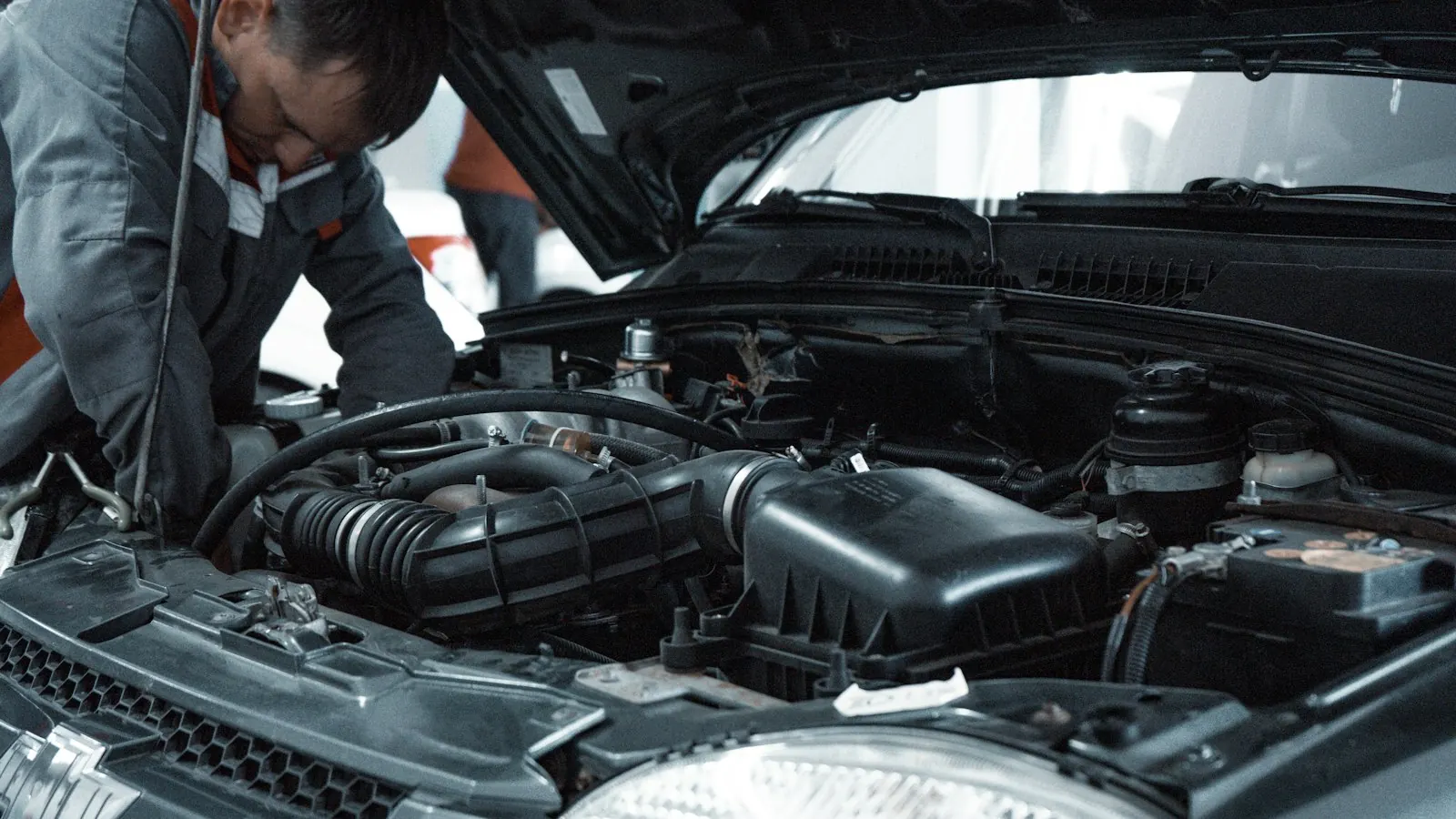
What it is
A truck repair shop is a service business focused on trucks. Many handle light-duty pickups and SUVs. Others work on heavier diesel, fleet or commercial vehicles. It helps to know which kind of shop you are looking at before you call.
Common work includes routine maintenance like oil changes, fluid service, tires and brakes. Shops also handle diagnostics, suspension and steering, cooling systems, exhaust, electrical issues and engine or transmission concerns. Some add towing hitches, lift or leveling kits, and other upfits.
Not every shop does every job. Some specialize in diesel engines, transmissions or a particular make. Others are general auto repair shops that also work on trucks. A good first question is whether they regularly work on your type of truck.
How it’s traditionally been approached
Many truck owners have long handled the basics themselves, such as checking fluids, swapping filters or changing wipers. Self-reliance is a proud tradition among people who depend on their trucks. Some also do bigger jobs at home when they have the tools, space and experience.
For larger or more complex work, owners have commonly turned to a dealership service department or a local independent shop. Dealerships often have brand-specific tools and training. Independent shops are often valued for personal relationships and flexibility. Each has a place, and the best fit depends on your truck and your situation.
Word of mouth has also been a big part of choosing a shop. Neighbors, coworkers and fellow truck owners often share who they trust. Today, online reviews and directories add to that, though it is still wise to confirm details yourself.
How the right repair pro may help
The right truck repair shop may help by finding the cause of a problem instead of just replacing parts. A visit usually starts with a conversation about symptoms: what you notice, when it happens, and how you use the truck. Mentioning towing, heavy loads or off-road use can help them understand the context.
Shops commonly inspect the truck and may run diagnostic tests before recommending work. Ask them to explain what they found in plain language, and to show you worn or damaged parts if possible. Request a written estimate, and ask that they contact you before doing work beyond what was approved.
Useful questions include: Do you work on my make, model and engine type? Do you offer a warranty on parts and labor? Are your technicians certified or trained? Can I see the old parts? How long might the repair take? Honest answers, including 'we do not do that here,' are a good sign.
The bigger picture
A truck is often more than a vehicle. It may be your tool for earning a living, your link to family and work, or your weekend freedom. An unexpected breakdown can bring real stress, so having a shop you trust may bring peace of mind.
Repairs can also strain a budget. Taking time to understand the work, ask questions and prioritize safety-related items versus those that can wait may help you feel more in control. If money worries are weighing on you, resources like Providers.plus may help you explore support. Whatever route you take, choose the approach that fits your skills, time and comfort.
Keep in mind
- Costs vary widely by truck, problem and location, so get a written estimate before work begins.
- Brakes, steering, fuel systems, airbags and high-voltage components on hybrids or electric trucks can be dangerous. These jobs usually call for a trained professional.
- Rules differ by state and locality, so ask about any required licenses, certifications and insurance, and confirm them yourself.
- 2A Repair is an independent directory, not a professional advisor. A listing is not an endorsement or a guarantee of quality or licensing unless stated on the profile.
Not sure where to start? Answer a few gentle questions and choose who you’d like to hear from.
Frequently asked questions
What does a truck repair shop do?
A truck repair shop maintains, diagnoses and repairs trucks. Typical services include oil changes, brakes, tires, suspension, cooling, electrical and engine or transmission work. Services vary by shop, so ask what they handle.
How do I choose a truck repair shop?
Start by finding shops that regularly work on your type of truck, then compare their experience, warranty terms and communication. Ask friends and fellow truck owners for recommendations. Confirm any licenses, certifications and insurance yourself before agreeing to work.
Is a dealership or an independent truck repair shop better?
Neither is always better; it depends on your truck and your needs. Dealerships often have brand-specific tools and training, and independent shops often offer personal service and flexibility. Getting a written estimate from each can help you compare.
Should I get a written estimate from a truck repair shop?
Yes, getting a written estimate is a good practice. It spells out the expected work and gives you a reference point. Ask the shop to contact you for approval if they find additional issues.
Do truck repair shops work on diesel trucks?
Some do and some do not. Diesel engines have different systems and often need specialized tools and training. Ask any shop directly whether they regularly service diesel trucks like yours.
Can I do some truck repairs myself?
Many owners handle simple tasks such as checking fluids, replacing wiper blades or changing an air filter, using the owner's manual as a guide. Safety systems like brakes, steering, fuel and high-voltage components are better left to trained pros. Know your limits and use proper safety gear.
Educational resource. 2A Repair shares general information and connects people with independent repair pros. It is not professional advice. Talk with a qualified professional about your own situation.