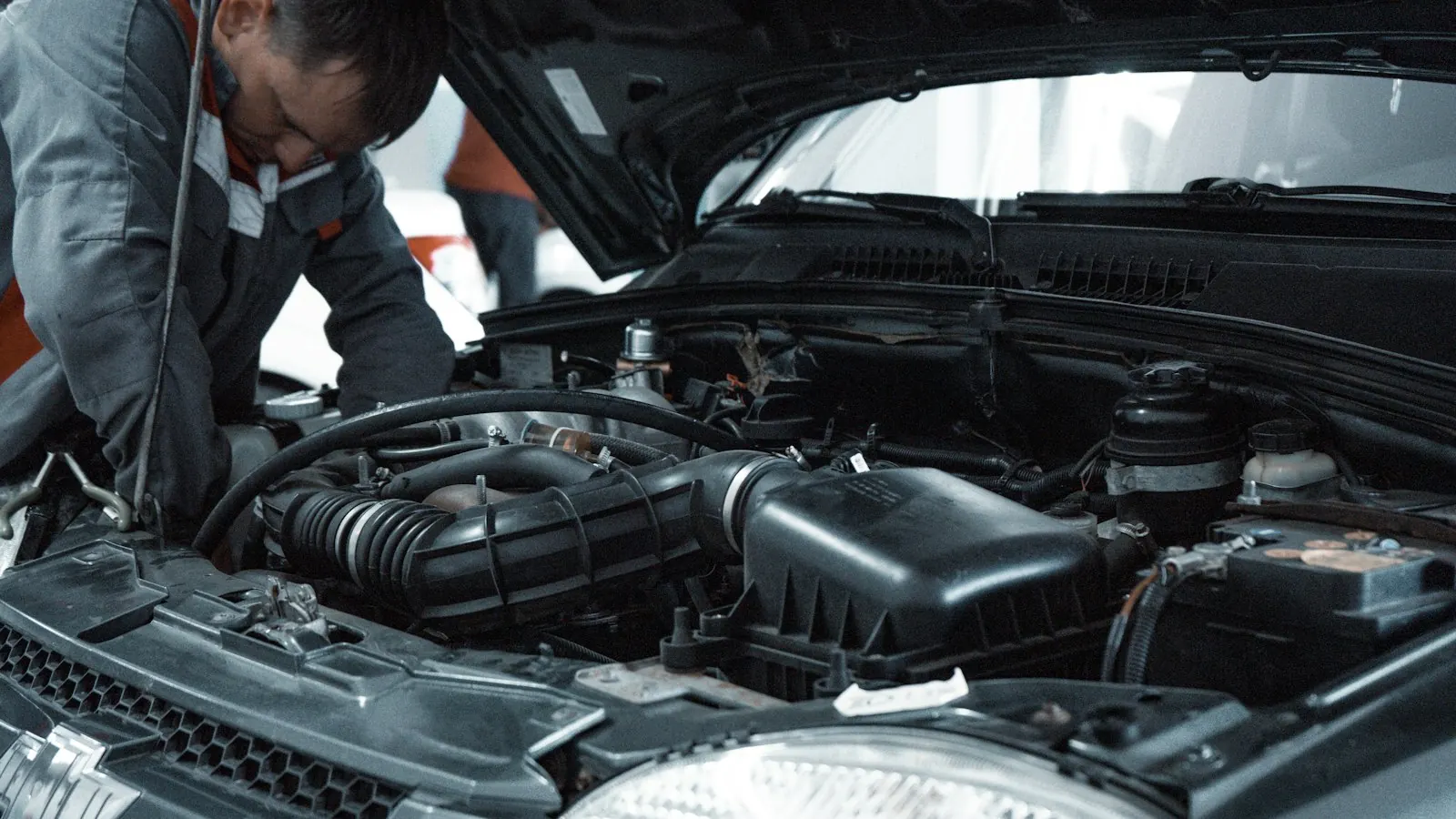
What it is
A mechanic is a trained repair pro who inspects, maintains and repairs cars, trucks and other vehicles. Some work on many makes and models, while others focus on one type of vehicle or one kind of system, such as brakes, transmissions or electrical.
Mechanics may be independent shop owners, part of a larger shop, or mobile pros who come to you. Shops differ in the services they offer, the equipment they have and the vehicles they work on, so it helps to match the shop to your need.
Most work falls into two groups: maintenance, which keeps a vehicle running as designed, and repair, which addresses something that has worn out or failed. A good mechanic can often help you tell which is which.
How it’s traditionally been approached
Traditionally, people have found a mechanic by word of mouth, asking family, neighbors, coworkers or fellow enthusiasts who they trust. Many drivers stay with one shop for years because a long relationship builds familiarity with the vehicle and its history.
Others choose a dealership, a national chain or a local independent shop. Each has its own strengths. Dealerships may have brand-specific tools and training, chains may offer convenience and extended hours, and independents may offer a more personal relationship.
Some owners handle simple jobs themselves, such as checking fluids, replacing wiper blades or swapping an air filter, and bring in a pro for bigger or safety-related work. Brakes, steering, fuel systems, airbags and the like are generally best left to trained pros.
How the right repair pro may help
A typical visit starts with a conversation about what you've noticed: when the problem happens, what it sounds or feels like, and any recent repairs. Writing notes beforehand, or even recording a short video of the noise, may help the mechanic narrow things down.
The shop may then inspect the vehicle, run diagnostics and explain what it found. A good pro may walk you through what is urgent, what can wait and what is optional, so you stay in charge of the decision.
Helpful questions include: Can I get a written estimate before work begins? Will you call me if the scope changes? Are your technicians certified or experienced with my type of vehicle? What kind of parts will you use? Is the work warrantied? It's also reasonable to confirm any required local license and insurance, and to ask to see replaced parts.
The bigger picture
A vehicle problem can be stressful. It affects your commute, your work, your family's schedule and your budget, and uncertainty about what's wrong or what it will cost can weigh on you. Having a mechanic you trust may bring real peace of mind.
Take the time you need to ask questions, compare options and decide what fits your situation. Planning for maintenance and setting money aside for repairs may help the unexpected feel more manageable. If a repair bill is a financial strain, Providers.plus may be a place to explore related resources.
Keep in mind
- Costs vary by vehicle, parts and location, so ask for a written estimate before authorizing work.
- Confirm that a shop holds any license, registration or insurance your state or local area requires. Listings in a directory don't guarantee this.
- If a warning light, brake problem, steering issue or smoke appears, stop driving when it's safe to do so and consider a tow rather than risking a breakdown.
- Don't attempt brake, fuel system, airbag or high-voltage hybrid and electric vehicle work yourself, because these are dangerous and generally need a trained pro.
Not sure where to start? Answer a few gentle questions and choose who you’d like to hear from.
Frequently asked questions
How do I find a good mechanic near me?
Start by asking people you trust, then read recent reviews and look at how a shop communicates. Call a few shops, describe the issue and ask about estimates, warranties and experience with your vehicle. A good fit usually explains things clearly and answers your questions without pressure.
What should I ask a mechanic before they start work?
Ask for a written estimate, whether they'll contact you before doing anything beyond it, and what warranty applies to parts and labor. You can also ask about their experience with your make and model. Clear answers up front tend to prevent surprises later.
Is an independent mechanic or a dealership better?
Neither is better for everyone, because it depends on your vehicle, the job and your preferences. Dealerships may have brand-specific tools, while independent shops may offer flexibility and a personal relationship. Comparing written estimates and asking about experience can help you decide.
Can a mobile mechanic near me fix my car at home?
Often, yes, for certain jobs such as some maintenance, battery or brake-related checks, depending on the pro and the repair. Larger repairs may need a shop with a lift and specialized equipment. Ask the pro whether your specific issue can be handled where your vehicle is parked.
What do I do if my check engine light comes on?
The check engine light means the vehicle's system has detected something that needs attention, and the cause can range from minor to serious. If the light is flashing or the car runs poorly, it's safest to stop driving when possible and call a pro. A mechanic can read the codes and explain what they may mean.
How do I know a mechanic is licensed and insured?
Requirements vary by state and locality, so ask the shop directly what licenses, registrations and insurance they carry. You can also check with your state or local consumer or licensing office. Don't assume a listing means a business is licensed or vetted unless its profile says so.
Educational resource. 2A Repair shares general information and connects people with independent repair pros. It is not professional advice. Talk with a qualified professional about your own situation.