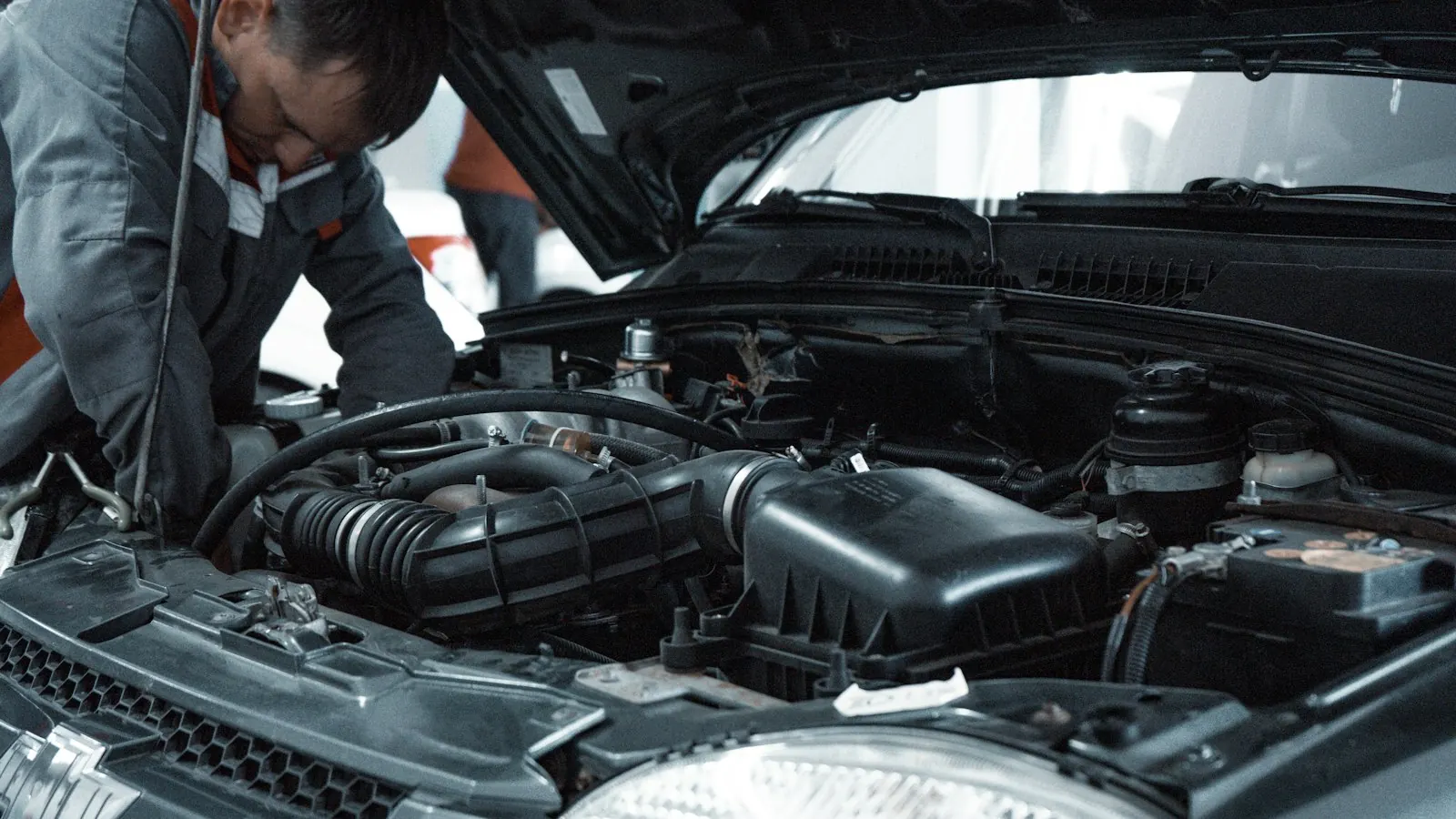
What it is
Finding an honest mechanic means choosing an auto or truck repair professional who diagnoses problems accurately, explains them clearly, and only recommends work you actually need. Honesty shows up in communication as much as in the repair itself.
It is not about finding the cheapest shop or the flashiest one. It is about a working relationship where you understand what is being done to your vehicle and why, so you can make your own informed call.
Because vehicles differ, from daily-driver cars to work trucks, a good fit also means a shop with experience on your type of vehicle and the kind of repair you need.
How it’s traditionally been approached
Most people have relied on word of mouth: asking family, neighbors, coworkers, or fellow truck and vehicle owners who they trust. A long-standing recommendation from someone with a similar vehicle is still one of the most common starting points.
Others read online reviews, look at how a shop responds to complaints, and check whether the business lists certifications or warranties on its work. Visiting the shop and noticing how staff communicate and how organized the space is has also been a common way to get a feel for it.
Many drivers start with a small, low-stakes job like an oil change or inspection to see how a shop operates before trusting it with a bigger repair. Getting a second opinion on major work is another long-standing practice.
How the right repair pro may help
The right independent repair pro may walk you through what they found, show you the worn or damaged part when possible, and separate what is urgent from what can wait. A good visit generally starts with listening to your description of the symptoms.
Useful questions to ask: Can I get a written estimate before work begins? Will you contact me if the scope changes? Is the diagnosis fee applied to the repair? What warranty comes with parts and labor? Can I have the old parts back?
Rules on licensing, registration, and insurance for repair shops vary by state and locality. Confirm what applies where you live, and ask the shop directly. Costs vary widely, so rely on a written estimate rather than general figures.
The bigger picture
Car trouble can be stressful. It affects your schedule, your budget, and your sense of safety on the road. Feeling uncertain about whether you are being told the full story adds to that weight, so a shop that communicates openly can bring real peace of mind.
Taking time to choose a mechanic before an emergency happens can make the decision calmer and more self-directed. If the financial side of a big repair is a worry, Providers.plus may be a helpful resource to explore as part of your broader planning.
Keep in mind
- A listing in a directory is not an endorsement; always confirm a shop's license, insurance, and warranty terms yourself where required.
- Get estimates in writing and ask questions before authorizing work, especially on larger repairs.
- A second opinion on major repairs is a normal, reasonable step, and a good shop will understand it.
- Safety-related issues like brakes, steering, or fuel smells should be looked at promptly by a qualified professional rather than put off.
Not sure where to start? Answer a few gentle questions and choose who you’d like to hear from.
Frequently asked questions
How do I find an honest mechanic near me?
Start by asking people you trust who drive similar vehicles, then compare a few local shops. Look at reviews, ask about warranties, and request a written estimate. A shop that answers questions patiently is usually a good sign.
What questions should I ask a mechanic before they start work?
Ask for a written estimate, how they will contact you if the scope changes, whether diagnostic fees apply to the repair, and what warranty covers parts and labor. Also ask whether you can see or keep the replaced parts.
How can I tell if a mechanic is overcharging or upselling?
Look for vague explanations, pressure to decide immediately, or recommendations that do not match your symptoms. Ask which items are urgent and which can wait, and consider a second opinion on major work. Costs vary, so compare written estimates.
Are online reviews a reliable way to find a good mechanic?
Reviews can be a helpful starting point, but they are only one piece of the picture. Look for patterns across many reviews and notice how the shop responds to complaints. Pair them with personal recommendations and your own impression.
Should I get a second opinion on a car repair?
Yes, a second opinion is a common and reasonable step for larger or costly repairs. A reputable shop will not be offended. Bring the written estimate so the second shop can address the same concern.
Does a mechanic need to be licensed?
It depends on where you live. Some states and localities require registration or licensing for repair shops, while others have different rules. Check your local requirements and ask the shop about its credentials and insurance.
Educational resource. 2A Repair shares general information and connects people with independent repair pros. It is not professional advice. Talk with a qualified professional about your own situation.