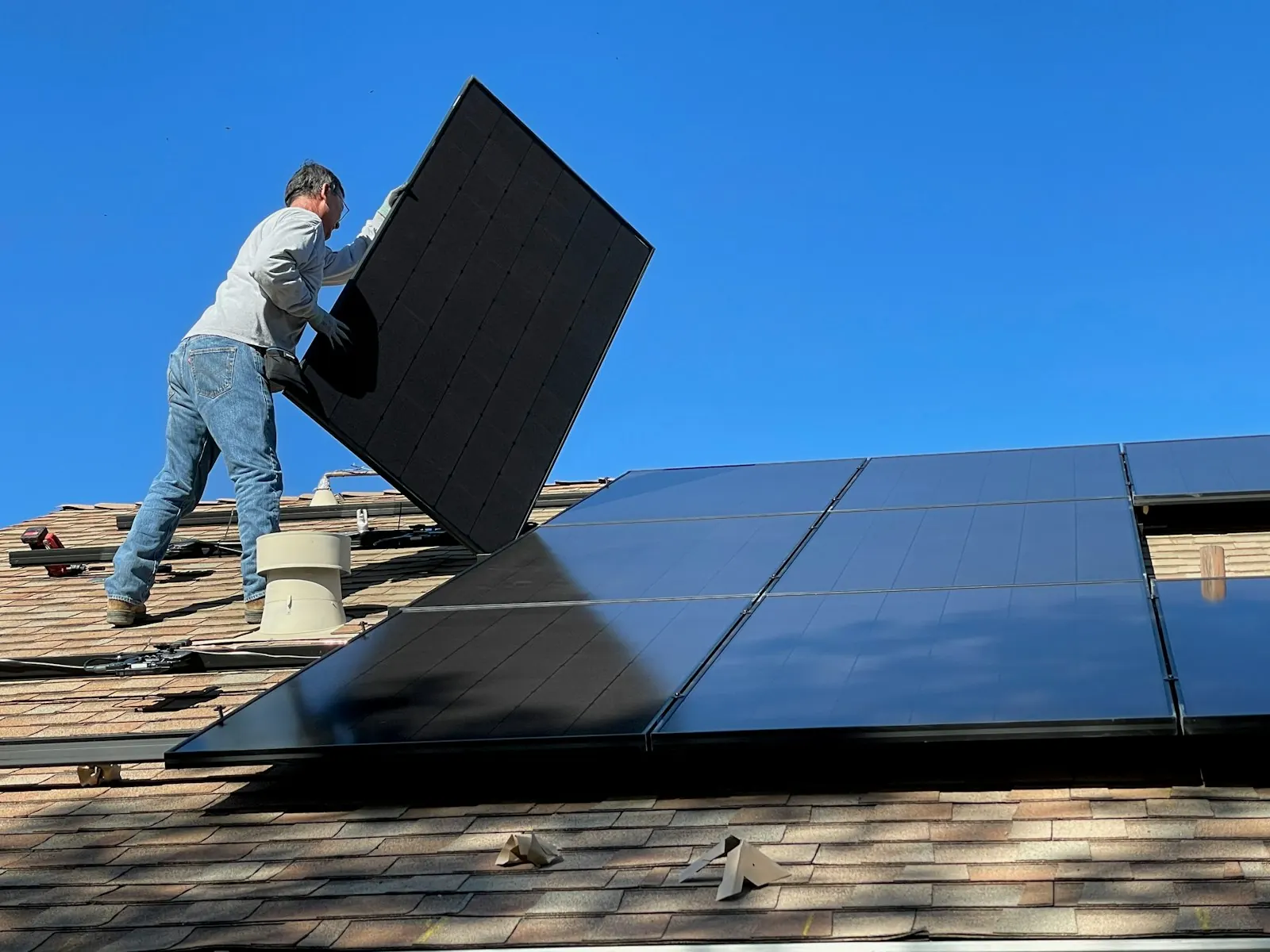
What it is
Solar panel cleaning means gently washing the glass surface of photovoltaic panels to remove film and debris. Dirt, pollen, ash, sap and droppings can block some sunlight from reaching the cells.
How much buildup matters depends on where you live, how your panels are tilted, how much rain you get, and what's around your property, such as trees, dirt roads or farm fields. Some arrays stay fairly clean on their own, while others collect more residue.
Cleaning is different from repair. If your system seems to be underperforming, dirt is only one possible cause. Shading, wiring, inverter faults, or damaged panels can also play a part, and those are separate issues to sort out.
How it’s traditionally been approached
Many homeowners have approached panel cleaning with a hose from the ground, a soft brush on an extension pole, or simply by waiting for rain. Manufacturers typically publish care instructions and warranty notes, and those are a good starting point.
Others hire a cleaning or solar service company, especially when panels are on a steep or high roof. Pros commonly use soft brushes, deionized or filtered water, and fall-protection equipment designed for roof work.
Harsh chemicals, abrasive pads and pressure washers are generally approached with caution, since they can scratch coatings, void warranties or force water where it shouldn't go. Practices differ, so checking your documentation is wise.
How the right repair pro may help
The right provider, such as a solar panel repair and service company, may be able to clean the array safely and also look it over while they're there. That can include noticing loose wiring, cracked glass, debris nesting under panels, or signs of wear that are easy to miss from the ground.
A visit generally starts with a look at your system and roof access, followed by cleaning with methods suited to your panels. Good questions to ask: Are you licensed and insured where I live? What cleaning method and water do you use? Will it affect my warranty? How do you protect the roof and shingles? Will you give me a written estimate?
If cleaning doesn't seem to be the issue, a solar pro, electrical repair pro or roof repair pro may help figure out what else is going on. Always confirm licensing, since requirements for solar, electrical and roofing work vary by state and locality.
The bigger picture
A system that you rely on to help manage household energy can be a source of both pride and worry. Wondering whether your panels are working as they should can nag at you, and climbing onto a roof to find out can put your physical safety at risk. Knowing your options lets you decide what's worth doing yourself and what's worth handing off.
Taking a practical, self-reliant approach often means knowing your limits. Spending money wisely and staying safe go hand in hand, and a clear plan can bring real peace of mind. If you're also thinking about overall wellbeing and care, Providers.plus is another resource you may find useful.
Keep in mind
- Never climb onto a roof without proper fall protection, and don't work around wiring, inverters or disconnects. Solar equipment can carry dangerous voltage, and that work usually requires a licensed pro.
- Check your manufacturer's care instructions and warranty terms before cleaning, and avoid abrasive tools or harsh chemicals unless the manufacturer approves them.
- Costs vary by location, roof access and system size, so get a written estimate before work begins.
- Confirm that any provider holds the license and insurance your area requires. A listing in a directory is not a guarantee of either.
Not sure where to start? Answer a few gentle questions and choose who you’d like to hear from.
Frequently asked questions
What is solar panel cleaning?
Solar panel cleaning is the gentle removal of dust, pollen, droppings and other debris from the surface of solar panels. It's meant to let the panels take in sunlight as designed. Methods and frequency depend on your panel type, climate and surroundings.
Can I do solar panel cleaning myself?
Some owners rinse ground-level or easily reached panels with a hose, following the manufacturer's guidance. Roof-mounted panels are a different story because of fall risk and nearby electrical equipment. If you can't reach them safely from the ground, consider hiring a qualified pro.
How often should solar panels be cleaned?
There's no single answer, since it depends on your climate, rainfall, tilt, and what's nearby, such as trees or dusty roads. Your manufacturer or installer can offer guidance for your system. Many owners simply check periodically and clean when buildup is visible.
Is it safe to use a pressure washer for solar panel cleaning?
Pressure washers are generally approached with caution because they can damage panel surfaces, seals and mounting areas. Many manufacturers recommend gentler methods, so check your documentation first. A solar service pro can tell you what's appropriate for your panels.
Who should I hire for solar panel cleaning?
Look for a solar panel repair and service provider or a cleaning company experienced with rooftop arrays. Ask about licensing, insurance, cleaning methods and warranty impact. If wiring or roof concerns come up, an electrical or roof repair pro may also be relevant.
Will solar panel cleaning fix low output?
It may help if buildup is the cause, but low output can also come from shading, inverter problems, wiring faults or damaged panels. A solar pro may be able to inspect the system and narrow down the cause. Any diagnosis should come from a qualified professional on site.
Educational resource. 2A Repair shares general information and connects people with independent repair pros. It is not professional advice. Talk with a qualified professional about your own situation.