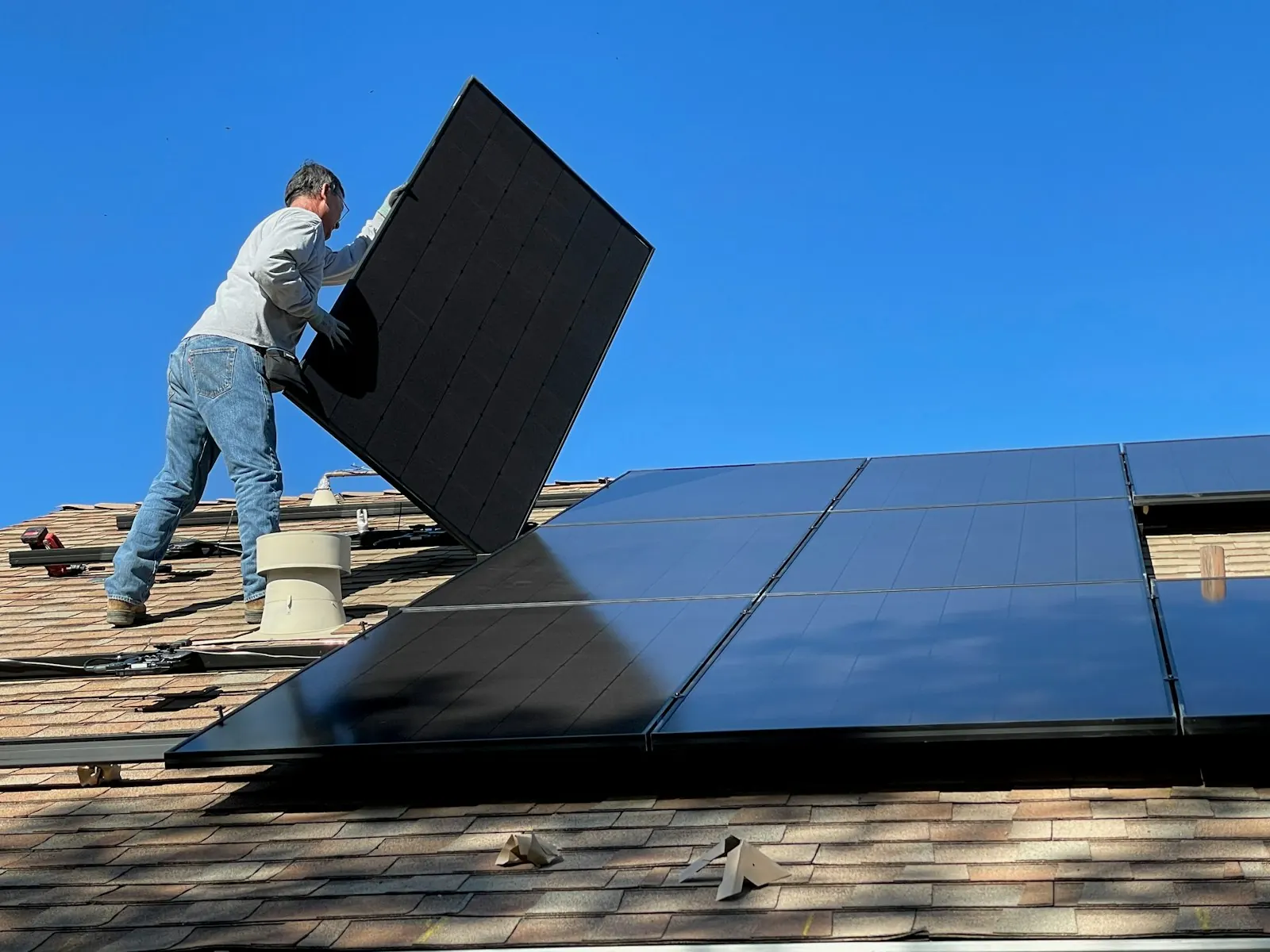
What it is
Removing solar panels for a roof replacement, often called a "detach and reset" or "remove and reinstall," means taking the panels and their mounting hardware off the roof so the old roofing can be torn off and new roofing installed. Once the roof work is done, the system is mounted again and reconnected.
The job touches several parts of your home at once: the roof deck and roofing materials, the racking and attachment points that hold the panels, and the wiring that connects the system to your home's electrical service. Each part has its own risks and its own trade.
Solar systems carry electricity whenever light hits them, even when your home seems powered down. Roofs add fall hazards and heavy, awkward equipment. For those reasons, this is not a weekend project, and the specifics depend on your system type, roof, and local rules.
How it’s traditionally been approached
Traditionally, homeowners have coordinated this in one of a few ways. Some ask the original solar installer to handle the removal and reinstall. Others hire a roofing contractor who works with a solar company, and some use a solar service company that specializes in detach-and-reset work.
Sequencing matters. The usual pattern is that the solar pro disconnects and removes the system, the roofer completes the roof, and then the solar pro remounts and reconnects the system. Some regions also call for an electrician, an inspection, or a permit before the system is turned back on.
Warranties and paperwork are often part of the conversation. Roofing warranties and solar equipment or workmanship warranties may have their own conditions about who does the work, so many homeowners review those documents before scheduling anything.
How the right repair pro may help
The right pro may help by acting as a coordinator between the roof and the solar system. A solar service or repair company may handle the shutdown, panel removal, storage, and reinstall, while a roofer handles the roofing. An electrician may be involved if wiring, disconnects, or inspections are needed.
A visit generally starts with a look at your roof, your array, and your inverter setup. The pro may explain the planned sequence, how the panels will be protected while off the roof, and how the system will be tested after reinstall. They may also point out existing wear on mounts, flashing, or wiring.
Good questions to ask: Are you licensed and insured for this work in my area? Who handles permits and inspections? How will roof penetrations be sealed? Who is responsible if a panel is damaged? What happens to my warranties? Can I get the scope, timeline, and costs in a written estimate? Costs vary widely, so comparing written estimates is wise.
The bigger picture
A roof replacement is a big decision, and adding solar to the mix can make it feel more stressful. Worrying about who is responsible for what, or whether your system will work again afterward, is normal. Getting a clear plan in writing may help you feel more settled.
It can also help to think about timing and household budget. Your system may be offline for a stretch, and planning for that can reduce surprises. If the project strains your finances, Providers.plus may offer additional educational resources, and nothing here replaces advice from qualified pros you trust.
Keep in mind
- Do not try to disconnect or remove panels yourself. Solar involves live electrical current and roof fall risks, and this work usually requires a licensed pro.
- Licensing and permit rules for solar, electrical and roofing work vary by state and city, so confirm license and insurance before hiring anyone.
- Ask who is responsible for damage, and review your roofing and solar warranties before work begins.
- 2A Repair is an independent directory, not a professional advisor, and listing does not mean a business is licensed or vetted unless its profile says so.
Not sure where to start? Answer a few gentle questions and choose who you’d like to hear from.
Frequently asked questions
Do you have to remove solar panels to replace a roof?
In most cases, yes. Panels and racking sit on top of the roofing, so they usually need to come off for the old roof to be removed and the new one installed. Your roofer and solar pro can confirm what your particular roof and system need.
Who removes solar panels for a roof replacement?
Typically a solar installer or solar service company does the removal and reinstall, often coordinating with your roofer. An electrician may also be involved depending on local rules. Confirm that whoever does the work holds the licenses and insurance your area requires.
Can I remove my own solar panels before a roof replacement?
It is generally not recommended. Solar panels can produce electricity whenever light hits them, and working on a roof adds fall risk. Most homeowners leave this to licensed pros, and some warranties or local rules may require it.
How much does it cost to remove and reinstall solar panels?
Costs vary based on system size, roof design, local rules, and who does the work, so no single figure fits everyone. The best approach is to request written estimates from a few qualified pros and compare what each includes.
Will my solar warranty be affected if I remove panels for a roof replacement?
It may be, depending on your warranty terms. Some warranties have conditions about who can handle removal and reinstall. Read your documents and ask your solar company and roofer before work starts.
What should I ask a pro before they remove solar panels for a roof replacement?
Ask about their license and insurance, who pulls permits, how the panels will be stored, and how the system will be tested afterward. Also ask who is responsible for any damage and request the scope in writing.
Educational resource. 2A Repair shares general information and connects people with independent repair pros. It is not professional advice. Talk with a qualified professional about your own situation.