What it is
Roof leak repair means tracing water back to its entry point and fixing it. Common entry points include flashing around chimneys, vents and skylights, worn or missing shingles, cracked sealant, and clogged gutters or valleys that hold water.
Water can travel along rafters, decking or insulation before it drops onto a ceiling. That is why a stain in one room may be some distance from the actual opening in the roof.
A repair can be small, such as resealing a fastener or replacing a damaged shingle, or larger, such as rebuilding flashing or replacing a section of roofing. What is right depends on the roof type, its condition and the cause. Solar panel mounts that penetrate the roof can also be a place where leaks start.
How it’s traditionally been approached
Traditionally, homeowners start by checking the attic or ceiling during or after rain, looking for damp insulation, dark stains on wood or drips. Many also look at the roof from the ground, or with binoculars, for visible damage.
Roofers have long used a mix of visual inspection, close checks of flashing and penetrations, and sometimes controlled water testing to find a source. Temporary measures like tarps are commonly used to limit damage until a proper repair can be made.
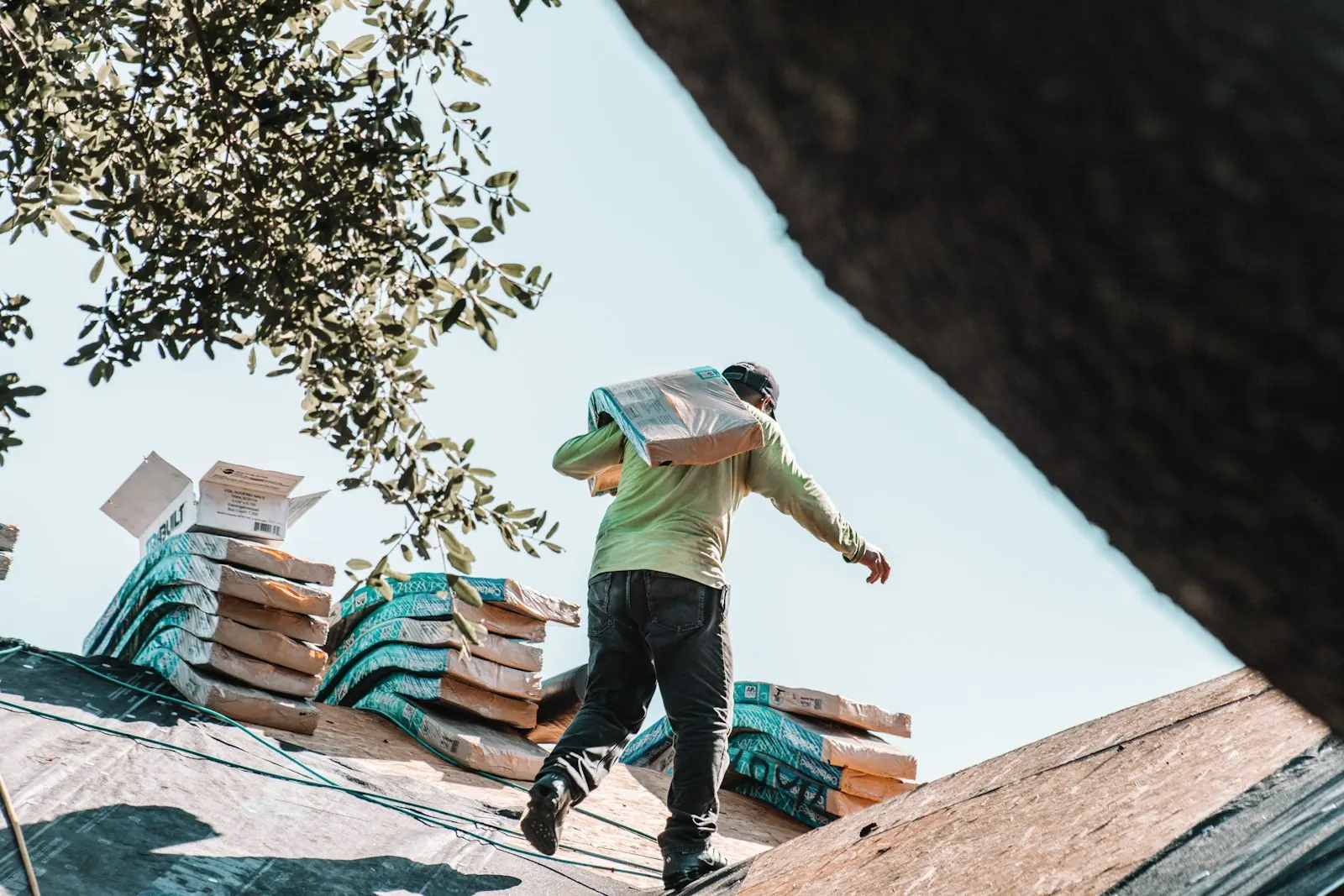
Some people handle small, accessible fixes themselves, while others hire a roofer because roofs are steep, slippery and hazardous. Working at height is a real fall risk, and many people feel it is better left to someone with the right equipment and training.
How the right repair pro may help
The right roof repair pro may help by finding the true source of the leak, not just covering the stain. A visit generally includes a look at the interior damage, an inspection of the roof surface and details like flashing, vents and any solar equipment, and a conversation about options.
Useful questions to ask include: What do you think is causing the leak? Is this a repair or a sign of wider wear? What are the repair and replacement options? Will you provide a written estimate that describes the scope of work and materials? What warranty applies to the work?
If you have solar panels, ask whether the roofer and a solar service pro will coordinate, since panels may need to be handled by a qualified solar professional. Always confirm license and insurance, and check what your area requires for permits, since rules vary by location.
The bigger picture
A roof leak can be stressful. Worry about hidden damage, the unknown cost and the disruption to your home can wear on sleep and peace of mind. Taking calm, early steps to limit water and document the problem often helps you feel more in control.
Thinking through the decision with your household budget in mind can help. Repair, partial replacement and waiting all carry trade-offs, and no single approach is right for everyone. Resources like Providers.plus may help you think about the bigger picture of home and family planning.
Keep in mind
- Roofs are dangerous to walk on. Leave work at height to trained pros, and never climb a wet or damaged roof.
- If water is near electrical fixtures or you see sagging ceilings, stay clear and consider calling a licensed electrician or emergency help. If you smell gas, leave the home and call the gas utility or 911.
- Costs vary widely, so get a written estimate, and consider more than one. Confirm license, insurance and local permit requirements before work begins.
- 2A Repair is an independent directory, not a professional advisor, and listing does not mean a business is licensed or vetted unless its profile says so.
Not sure where to start? Answer a few gentle questions and choose who you’d like to hear from.
Frequently asked questions
What is roof leak repair?
Roof leak repair is finding where water enters through the roof and fixing the failed part, such as flashing, shingles, sealant or a vent. It can range from a small patch to a larger section repair. A roof repair pro can inspect and explain options.
Why does my ceiling stain not line up with the roof leak?
Water often travels along rafters, decking or insulation before it shows up inside, so the stain can be far from the entry point. That is why a thorough inspection matters. A pro may trace the path back to the source.
Can I fix a roof leak myself?
Some people handle small, ground-level or attic-side tasks, but working on a roof is a serious fall risk. Many homeowners choose a roof repair pro for anything that requires climbing. If you do try anything, put safety first and never work on a wet roof.
What should I do while waiting for a roofer?
Move belongings away from the drip, place a container underneath, and take photos for your records. A temporary tarp installed by a pro may limit further damage. Keep clear of any water near electrical fixtures.
How much does roof leak repair cost?
Costs vary based on the cause, roof type, access and the extent of damage, so no single figure fits everyone. Ask for a written estimate that spells out the scope of work. Comparing more than one estimate can help.
Do I need a licensed roofer for roof leak repair?
Many areas require licensing, insurance or permits for roofing work, but the rules vary by state and city. Ask any roofer for proof of license and insurance, and check with your local authority. Never assume a business is licensed unless you have confirmed it.
Educational resource. 2A Repair shares general information and connects people with independent repair pros. It is not professional advice. Talk with a qualified professional about your own situation.