What it is
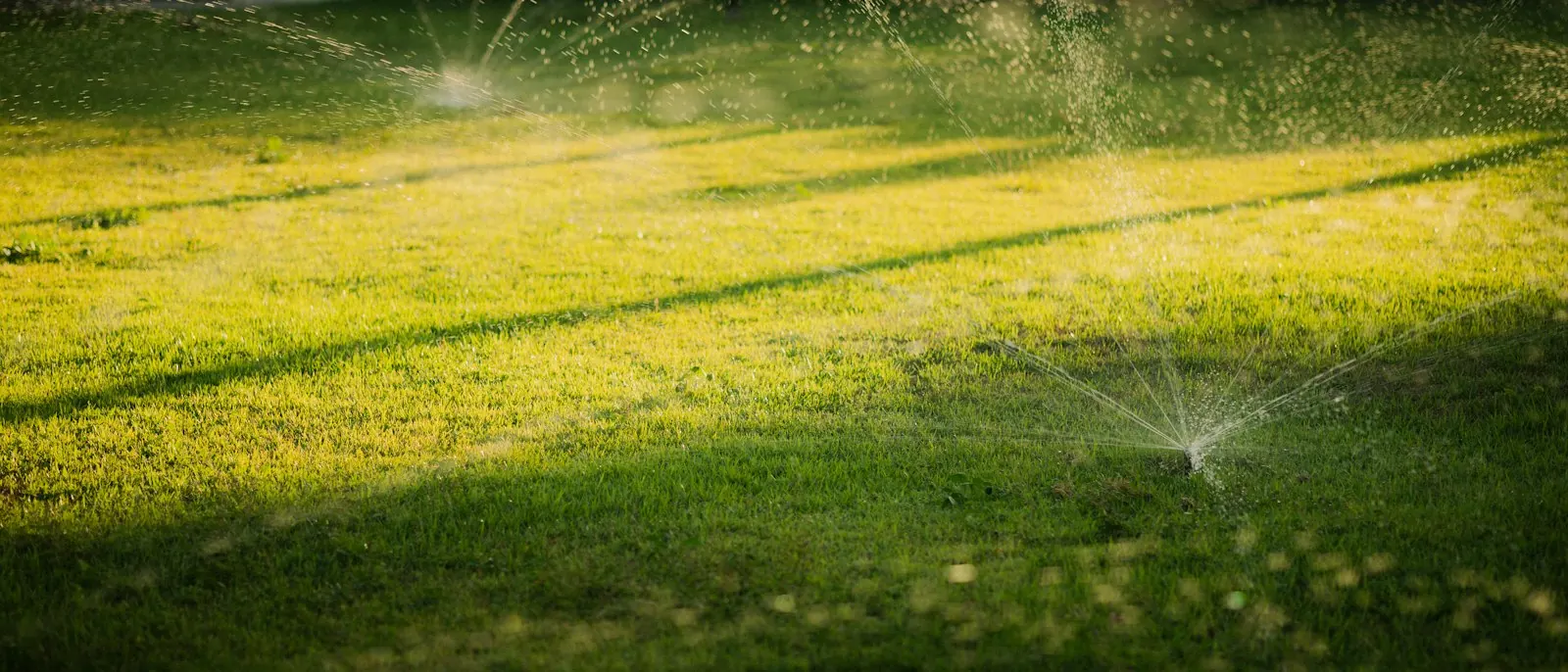
A lawn sprinkler system is a network of pipes, valves, sprinkler heads and a controller (timer) that delivers water to your yard on a schedule. Water travels from your supply through zone valves, which open one section of the yard at a time.
Repair work covers the parts of that network that wear out, get damaged or fall out of adjustment. Common trouble spots include broken or clogged heads, leaking valves, damaged lines, controller settings, and sensors that tell the system when to skip watering.
Symptoms people often notice are dry or soggy patches, water pooling or running onto the sidewalk, a zone that won't turn on, weak spray, or a system that runs at odd times. These can have several possible causes, which is why a close look matters.
How it’s traditionally been approached
Many homeowners start by walking the yard while the system runs. Watching each zone often shows a head that is stuck, tilted, buried in grass or spraying the wrong way. Simple fixes like clearing debris or adjusting a head's direction are a common self-reliant first step.
Some people replace a damaged head or reset the controller themselves. If you try this, shut off the system first, watch for buried lines before digging, and call your utility's locating service before any serious digging. Anything involving your main water supply, backflow devices or electrical wiring is better left to a pro, and some areas require licensed work or permits for it.
For bigger issues, such as leaks you can't locate, valves that won't close, or low pressure across the whole system, people have traditionally hired an irrigation specialist, landscaper or general handyman. Seasonal service, like start-up in spring and winterizing where freezing is a risk, is also commonly handled by a pro.
How the right repair pro may help
The right repair pro may be able to diagnose the problem faster by running each zone, checking heads, valves and the controller, and looking for signs of leaks. A visit generally starts with a conversation about what you've noticed and where, then a walk-through of the yard.
Helpful questions to ask: Do you work on my type of system? Are you licensed and insured where I live, as required locally? Will you give a written estimate before work begins? Are parts and labor covered by any warranty? Can you explain what you found in plain terms?
A good pro may also point out adjustments that help the system work as intended, and tell you what you can safely maintain yourself. You stay in charge of the decision, and it's reasonable to get more than one opinion on larger repairs.
The bigger picture
A yard that waters unevenly can quietly add worry: a surprise water bill, a lawn you've put work into, or a weekend spent chasing a problem. Getting clear information can bring peace of mind and let you decide whether to handle it yourself or hand it off.
Whether you do it yourself or hire help, both are reasonable choices. Think about your time, comfort level and budget. If broader household planning is on your mind, Providers.plus may offer additional resources.
Keep in mind
- Costs vary by system, location and the problem, so ask for a written estimate before work starts.
- Confirm license and insurance requirements with your state or local authorities, and check them directly with any pro you consider.
- Never dig without locating buried utilities first, and leave gas, electrical and main supply work to qualified pros.
- Listings in a directory are not an endorsement, so verify credentials yourself.
Not sure where to start? Answer a few gentle questions and choose who you’d like to hear from.
Frequently asked questions
How do I find sprinkler repair near me?
Start by searching a directory like 2A Repair, then compare local irrigation and handyman pros. Check reviews, ask about experience with your system type, and confirm license and insurance where required. Get a written estimate before approving work.
Why is my sprinkler zone not turning on?
Common possible causes include a controller setting, a faulty valve or solenoid, a wiring issue, or a sensor telling the system to hold off. Checking the controller schedule is a safe first step. If that doesn't help, a pro can test the valve and wiring.
Can a handyman fix sprinkler systems?
Often yes, for common repairs like replacing heads, adjusting spray or fixing simple leaks. More complex work, such as backflow devices or main line repairs, may require a licensed irrigation or plumbing pro depending on your area. Ask about their qualifications.
What causes wet spots in my lawn?
Wet spots can point to a broken head, a cracked line or a leaking valve. Running each zone and watching for pooling water may help narrow it down. Because underground leaks are hard to see, a pro may be useful if the cause isn't obvious.
Should I winterize my sprinkler system?
In areas where freezing temperatures occur, winterizing is commonly done to help protect pipes and components. The method depends on your system, and some approaches use pressurized air, which can be hazardous. Many people hire a pro for it.
Can I repair a sprinkler head myself?
Often yes, since replacing a single head is a common low-risk DIY task. Turn the system off first and locate buried lines before digging. If you see damaged pipes, wiring or valve problems, consider calling a pro.
Educational resource. 2A Repair shares general information and connects people with independent repair pros. It is not professional advice. Talk with a qualified professional about your own situation.