What it is
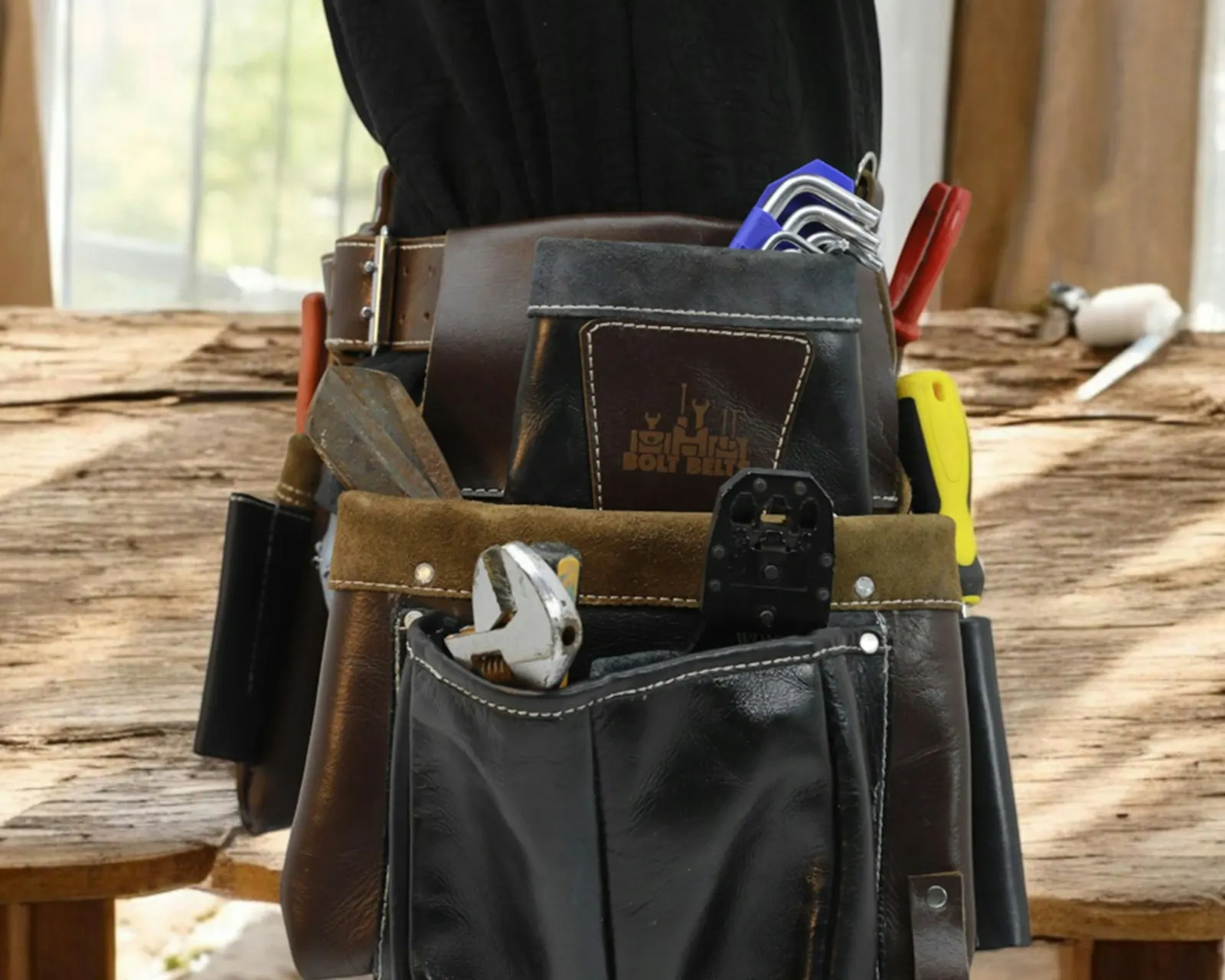
Handyman services usually means one person or a small crew who handles a range of household fixes instead of a single specialty. Common examples include patching drywall, hanging shelves or doors, caulking, minor carpentry, assembling furniture, and fixing loose fixtures. The exact list differs from one pro to the next.
A handyman is often a good fit for jobs that are too small or scattered to justify hiring several specialists. Some also handle light plumbing or electrical tasks, depending on what local rules allow. Others stick to carpentry and general repair.
Some work is outside general handyman territory. Gas lines, electrical panels, refrigerant systems, roofing, garage door springs and high-voltage solar are dangerous, and they usually require a licensed pro. Licensing rules vary by state and city, so it's worth checking what applies where you live.
How it’s traditionally been approached
For generations, many homeowners have taken a self-reliant approach: learn the basics, keep a decent toolbox, and fix what you can. Plenty of repairs, like tightening a hinge, replacing an air filter, or resetting a tripped GFCI outlet, are reasonable DIY projects when done with basic safety care.
When a job is bigger, takes special tools, or carries a safety risk, people have usually turned to word of mouth. Neighbors, family and local shops have long been a main source of trusted names. Others hire a licensed specialist for each trade, such as an electrician or plumber.
Each approach has trade-offs. DIY can save money and build skill, but it takes time and may not suit every repair. Hiring a specialist brings deep expertise, and a general handyman can cover many small tasks in one visit. The right choice depends on the job, your comfort level and local requirements.
How the right repair pro may help
The right handyman may help you work through a long repair list, spot small problems before they grow, and tell you when a job needs a licensed specialist. A good one will be straight with you about what they do and don't take on. That honesty is worth looking for.
A typical visit often starts with a walk-through of the work, a conversation about what you want done, and a written estimate before anything begins. Costs vary by job, location and materials, so ask for the estimate in writing. Bundling several small tasks into one visit is something some pros offer.
Good questions to ask include: Are you licensed and insured for this kind of work where I live? Do you pull permits when they're required? Can I see references or examples of similar jobs? What's included in the estimate, and who supplies materials? Confirm credentials yourself, because a directory listing alone doesn't verify them.
The bigger picture
A long list of unfinished repairs can quietly weigh on you. A dripping faucet, a sticking door or a loose railing may seem minor, but together they can wear on your peace of mind. Getting them handled, by you or by a pro, often brings a real sense of relief and control over your space.
Money matters here too. Some people prefer to do the work themselves, and others value their time and hire help, and both are sensible choices. If a home project is part of a larger financial or life change, Providers.plus may be one place to explore other kinds of support. Whatever you choose, a plan that fits your budget and comfort level is the right one.
Keep in mind
- Get a written estimate before work starts, since costs vary widely by job and location.
- Confirm license, insurance and permit requirements with your state or local authority. Don't assume a listing means a business has them.
- Leave gas, electrical panel, refrigerant, roof, garage door spring and high-voltage solar work to licensed pros.
- If you smell gas, leave the home right away and call your gas utility or 911 from outside.
Not sure where to start? Answer a few gentle questions and choose who you’d like to hear from.
Frequently asked questions
What are handyman services?
Handyman services are general repair and maintenance help for small-to-medium household jobs, such as drywall patching, hanging fixtures, minor carpentry and assembly. Scope varies by pro, so ask what each one covers. Specialized or hazardous work often needs a licensed tradesperson.
What can a handyman do around the house?
A handyman can often handle tasks like repairing doors and trim, caulking, mounting shelves or TVs, fixing small drywall damage and assembling furniture. Some also do light plumbing or electrical tasks where local rules allow. Always ask what they're licensed and insured to do.
What can't a handyman do?
Work on gas lines, electrical panels, refrigerant systems, roofs, garage door springs and high-voltage solar is dangerous and usually requires a licensed pro. Rules differ by location, and some jobs need permits. Check with your local licensing authority if you're unsure.
Do handyman services require a license?
It depends on where you live and what the job involves. Some states and cities license handymen or limit the size of jobs they can take, and many trades require their own licenses. Check your state or local rules and ask any pro for proof of license and insurance.
How much do handyman services cost?
Costs vary by job, location, materials and the pro's pricing method, so there's no single answer. The best approach is to describe the work and ask for a written estimate. Comparing a few estimates can help you understand what's included.
How do I choose a good handyman?
Start by listing the jobs you need done, then ask about experience with similar work, license and insurance, references and a written estimate. Good communication and clear scope are positive signs. Verify credentials yourself rather than relying only on a directory listing.
Educational resource. 2A Repair shares general information and connects people with independent repair pros. It is not professional advice. Talk with a qualified professional about your own situation.