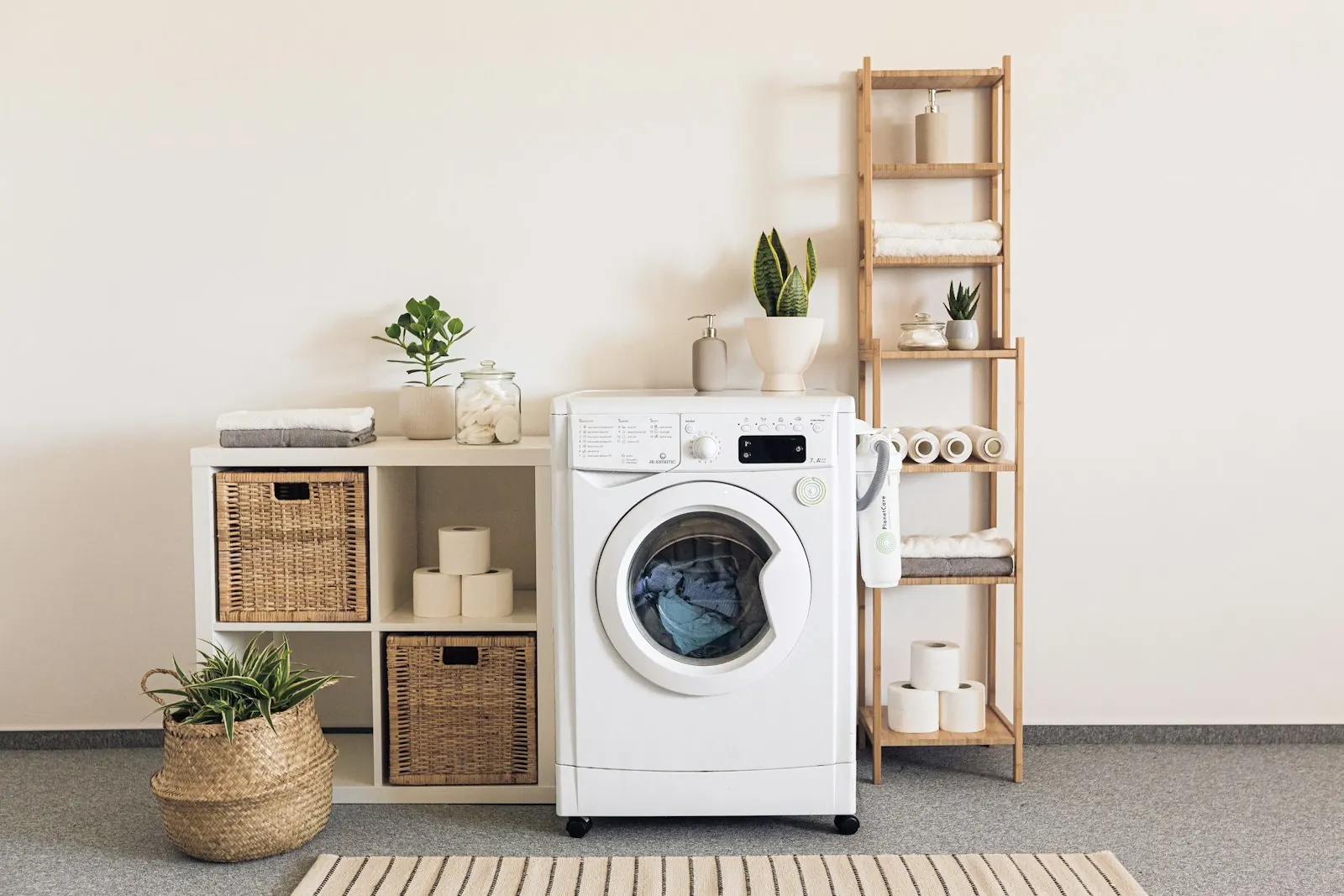
What it is
Appliance repair is the work of figuring out why a household appliance has stopped working or isn't working well, then fixing it or advising you on whether a fix makes sense. Common machines include refrigerators, freezers, washers, dryers, dishwashers, ranges, ovens and microwaves.
Problems range from simple to complex. Some come down to a clogged filter, a tripped breaker or a setting. Others involve worn parts, sensors, control boards, motors or seals that take training and the right tools to diagnose.
Some appliance work touches dangerous systems. Gas lines, 240-volt wiring and sealed refrigerant systems are not casual DIY territory and usually require a licensed pro. If you ever smell gas, leave the home right away and call your gas utility or 911 from outside.
How it’s traditionally been approached
Many people start by checking the basics themselves: is it plugged in, is the breaker on, is a filter or drain blocked, does the user manual list an error code. This kind of low-risk checking suits the self-reliant approach, as long as you unplug the appliance first and stay away from gas, panels and sealed systems.
When the basics don't solve it, people have traditionally called a local repair shop, the store or manufacturer's service line, or a handyman or technician recommended by a neighbor. Others replace the appliance outright, especially if it is older or the repair seems close to the cost of a new one.
Each route has tradeoffs in convenience, wait time, parts availability and cost. Neither repairing nor replacing is automatically the right call, and the best choice depends on your appliance, your budget and your situation.
How the right repair pro may help
The right repair pro may help by pinpointing the actual cause instead of guessing, which can save you from buying parts you don't need. They may also be able to tell you whether a repair looks reasonable or whether replacement is worth considering, though no outcome is ever guaranteed.
A visit generally starts with questions about the symptoms: what happened, when, and whether there are error codes or odd sounds. The pro then inspects the appliance, may test components, and explains what they found. Many will give a written estimate before starting work, and parts availability can affect timing.
Good questions to ask: Do you service my brand and model? Are you licensed and insured where I live, and can I see proof? Is there a diagnostic or service-call fee, and is it applied to the repair? Will you provide a written estimate? Is there a warranty on parts and labor? For anything involving gas or wiring, ask what licensing the work requires locally.
The bigger picture
A broken refrigerator or washer is more than an inconvenience. It can disrupt meals, routines and your budget, and the stress of an unexpected repair can weigh on a household. Taking a calm, step-by-step approach to comparing options often makes the decision feel more manageable.
Think about the whole picture: the value of the appliance, how much you rely on it, and your financial comfort with repairing versus replacing. If a repair bill feels like a strain, it's reasonable to take time and compare. Providers.plus may also be a helpful resource if you're looking at the broader picture of caring for your household and wellbeing.
Keep in mind
- Costs vary by appliance, parts, location and the pro, so always get a written estimate before work begins.
- Many trades involved in appliance work, including electrical, gas and HVAC-related repairs, require state or local licenses and permits that vary by location. Confirm license and insurance yourself.
- Being listed in a directory does not mean a business is licensed or vetted unless that is stated on its profile.
- Unplug the appliance before any basic checks, and never attempt gas, panel, or refrigerant work yourself.
Not sure where to start? Answer a few gentle questions and choose who you’d like to hear from.
Frequently asked questions
How do I find appliance repair near me?
Start by searching a directory like 2A Repair, then compare a few local pros by the brands they service, their licensing and insurance, and their warranty terms. Ask neighbors for recommendations and request written estimates. Taking a little time to compare can help you feel confident in your choice.
Is it better to repair or replace an appliance?
It depends on the appliance's age, how often it has had problems, the repair estimate and your budget. A repair pro may be able to give you an honest assessment of what the repair involves. Costs vary, so get a written estimate before deciding.
What can I check before calling an appliance repair pro?
You can safely check simple things like whether the appliance is plugged in, whether the breaker has tripped, whether a filter or drain is clogged, and what the manual says about error codes. Resetting a GFCI outlet is also low-risk. Always unplug the appliance first, and don't open up anything involving gas, wiring panels or sealed cooling systems.
Does appliance repair require a license?
It depends on where you live and what the work involves. Some states and localities require licenses for electrical, gas or HVAC-related work, while general appliance service rules vary. Ask any pro for their license and insurance details and confirm with your local licensing authority.
What should I do if I smell gas near my appliance?
Leave the home immediately and call your gas utility or 911 from outside. Don't operate switches, lighters or the appliance, and don't try to fix it yourself. Gas work generally requires a licensed professional.
What should I ask an appliance repair pro before they start?
Ask whether they service your brand and model, whether they are licensed and insured, if there is a service-call or diagnostic fee, and whether they provide a written estimate. Also ask about warranty coverage on parts and labor and how long parts may take to arrive.
Educational resource. 2A Repair shares general information and connects people with independent repair pros. It is not professional advice. Talk with a qualified professional about your own situation.